

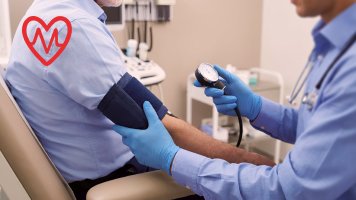
Correct blood pressure measurement is one of the most important steps in the prevention, detection and monitoring of arterial hypertension. Incorrectly measured blood pressure can lead to a wrong assessment of health status, unnecessary concern or inadequate treatment.
At Dr Mačkić Clinic, we often advise patients not to assess their blood pressure based on a single measurement, but on properly performed and recorded values over several days.
Why Is Correct Blood Pressure Measurement Important?
Blood pressure naturally changes throughout the day. It may increase due to stress, physical activity, coffee, smoking, pain, lack of sleep or improper body position during measurement.
For this reason, one isolated measurement is often not enough to diagnose hypertension. Home blood pressure monitoring helps the doctor get a more realistic picture of your cardiovascular risk and the effectiveness of your therapy.
Which Blood Pressure Monitor Should You Use?
For home blood pressure monitoring, an automatic digital blood pressure monitor with an upper-arm cuff is recommended.
Wrist blood pressure monitors may be less reliable if they are not used correctly, especially if the arm is not positioned at heart level. It is also very important to use the correct cuff size. A cuff that is too small may show falsely high values, while a cuff that is too large or loosely placed may give inaccurate results.
How to Prepare Before Measuring Blood Pressure
- Do not drink coffee, energy drinks or alcohol for at least 30 minutes before measurement.
- Do not smoke for at least 30 minutes before measurement.
- Do not exercise immediately before measurement.
- Empty your bladder before measuring your blood pressure.
- Sit quietly for at least 5 minutes before measurement.
- Do not talk during measurement.
Correct Body Position During Blood Pressure Measurement
- Sit upright with your back supported.
- Keep your feet flat on the floor.
- Do not cross your legs.
- Keep your arm relaxed and supported on a table.
- Place the cuff on a bare upper arm, not over clothing.
- Make sure the cuff is at heart level.
How to Measure Blood Pressure Correctly
After sitting properly and resting for a few minutes, place the cuff on your upper arm according to the manufacturer’s instructions. During the measurement, remain still, do not talk and do not move your arm.
It is recommended to take two measurements, 1 to 2 minutes apart, and record both values. If the values are significantly different, a third measurement may be taken, after which the average value can be calculated.
When Should You Measure Blood Pressure?
Blood pressure is most commonly measured in the morning and evening over several consecutive days.
- In the morning: before breakfast and before taking medication, unless your doctor has advised otherwise.
- In the evening: before bedtime or at approximately the same time each day.
It is important that measurements are taken under similar conditions, because this allows the doctor to interpret the results more accurately.
How to Keep a Blood Pressure Diary
Blood pressure values should be recorded in a diary or an app. Each entry should include:
- date and time of measurement
- systolic blood pressure, or the upper number
- diastolic blood pressure, or the lower number
- pulse
- notes about symptoms, therapy or stress, if present
This type of diary is very useful during a cardiology examination because it allows a more accurate assessment of blood pressure control.
What Are Normal Blood Pressure Values?
Optimal blood pressure is usually around 120/80 mmHg. Repeatedly elevated values require medical evaluation.
You should not draw conclusions based on one elevated reading, especially if you were upset, physically active or had recently consumed coffee. However, if elevated values occur repeatedly, you should contact your doctor.
When Should You Seek Urgent Medical Help?
If your blood pressure is very high, especially above 180/120 mmHg, repeat the measurement after a few minutes of rest.
Seek urgent medical help or contact emergency services if high blood pressure is accompanied by:
- chest pain
- shortness of breath
- weakness on one side of the body
- speech difficulties
- sudden blurred vision
- severe headache
- confusion or loss of consciousness
Common Mistakes When Measuring Blood Pressure
- measuring blood pressure immediately after physical activity
- measuring blood pressure after coffee or smoking
- talking during measurement
- crossing the legs
- keeping the arm below or above heart level
- placing the cuff over clothing
- using the wrong cuff size
- measuring too often, which can increase anxiety
Conclusion
Correct home blood pressure measurement helps with the early detection of hypertension, better therapy control and reduction of the risk of heart attack and stroke. The most important steps are using a reliable device, applying the correct technique and keeping an organized blood pressure diary.
If you have elevated blood pressure, blood pressure fluctuations, palpitations, headaches or you are already using hypertension therapy, at Dr Mačkić Clinic you can undergo a cardiology examination, ECG, heart ultrasound and additional cardiovascular risk assessment.
References
- 2024 ESC Guidelines for the management of elevated blood pressure and hypertension.
- American Heart Association: Home Blood Pressure Monitoring.
- Centers for Disease Control and Prevention: Measuring Your Blood Pressure Correctly.
- Parati G, Stergiou GS, Bilo G, et al. Home blood pressure monitoring: methodology, clinical relevance and practical application. Journal of Hypertension. 2010;28:1509–1527.
- Whelton PK, Carey RM, Aronow WS, et al. 2017 ACC/AHA Guideline for the Prevention, Detection, Evaluation and Management of High Blood Pressure in Adults. Hypertension. 2018;71:e13–e115.