
Dr. Milan Gluhović Awarded the Prestigious FHFA Title at the HFA Congress in Belgrade

News • Cardiology

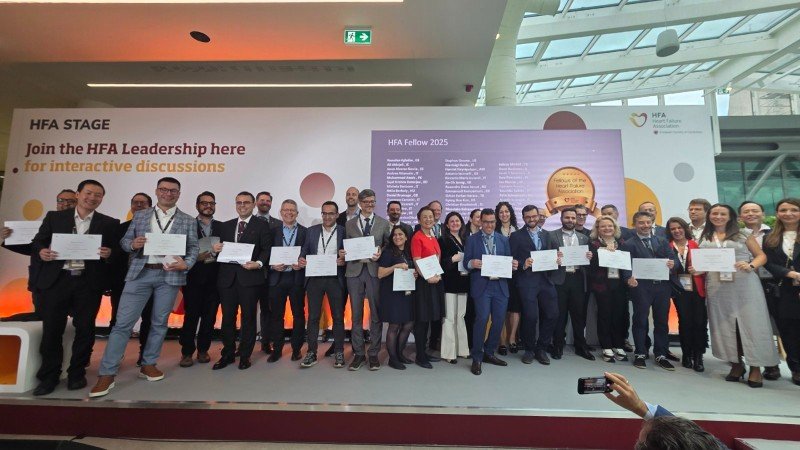
Belgrade, May 2025. At the most recent Congress of the Heart Failure Association (HFA) of the European Society of Cardiology, held in Belgrade, Dr. Milan Gluhović, internist-cardiologist, was awarded the prestigious title of Fellow of the Heart Failure Association (FHA). With this recognition, he became the only holder of the FHA title in Bosnia and Herzegovina, confirming his long-standing work and dedication to the fight against heart failure.

Moment of awarding the FHA title to Dr. Milan Gluhović at the HFA Congress in Belgrade
Belgrade, HFA Congress

Why is this title important?

The FHA title is among the highest professional recognitions in the field of heart failure. It is awarded to physicians with proven achievements in education, science, guideline implementation, and public health work. Heart failure is one of the leading challenges of modern cardiology, which is why initiatives that enable early detection and timely treatment are especially valued.

Contributions of Dr. Milan Gluhović

Dr. Gluhović has demonstrated his dedication through:

  • Organization of educational programs and professional symposia.
  • Public street campaigns and awareness activities on the occasion of World Heart Day and World Heart Failure Awareness Day.
  • Media appearances aimed at educating patients and the wider public.
  • Strengthening interstate cooperation and connecting experts from the region and Europe.
  • Development of screening programs for heart failure through measurement of the NT-proBNP biomarker and cardiac ultrasound examinations.

Statement after the ceremony

“This title is not only a personal recognition, but also an obligation for us to continue working together on early detection, prevention, and modern treatment of heart failure in Bosnia and Herzegovina,” Dr. Gluhović emphasized after the ceremony.

About the HFA 2025 Congress in Belgrade

This year’s international congress brought together thousands of cardiologists, researchers, and healthcare professionals from around the world. During the four-day program, the latest guidelines, innovations, and scientific results in the treatment of heart failure were presented, including:

  • interactive workshops and “How-to” sessions,
  • presentations of the latest research in the field of genetic therapy and advanced medications,
  • education programs within the HFA Young initiative for young professionals,
  • “Late-Breaking Science” sessions with the latest clinical evidence.

This event further highlighted Belgrade as an important center of international cardiology cooperation.

Significance for Bosnia and Herzegovina

The awarding of the FHA title to Dr. Gluhović is not only a personal success, but also a major step for the cardiology community of Bosnia and Herzegovina. It confirms that serious projects, modern initiatives, and high-quality experts are being developed in our country, capable of standing shoulder to shoulder with leading centers across Europe.

This success shows that local initiatives can have international impact and that the efforts of our physicians are valued at the highest level.

See the atmosphere from the ceremony

Below, we present part of the atmosphere from the ceremonial moment of awarding the FHA title to Dr. Gluhović — a moment of pride and inspiration for the entire community.

Part of the atmosphere and the moment of presenting the recognition.

Frequently Asked Questions

What is the FHA title?

An international recognition of the Heart Failure Association (ESC) for physicians with outstanding contributions in the field of heart failure — education, science, guidelines, and public health work.

How is heart failure screening performed?

It combines clinical assessment, laboratory measurement of the NT-proBNP biomarker, and cardiac ultrasound, along with risk assessment and referral for targeted therapy.

What does this mean for patients?

Better access to modern protocols, earlier diagnostics, and regional/European cooperation that accelerates knowledge exchange and the implementation of new therapies.

Tags: heart failure, HFA, FHA, cardiology, NT-proBNP

The Siemens Team Presented the Latest Premium Origin AI Ultrasound System at Dr. Mačkić Clinic

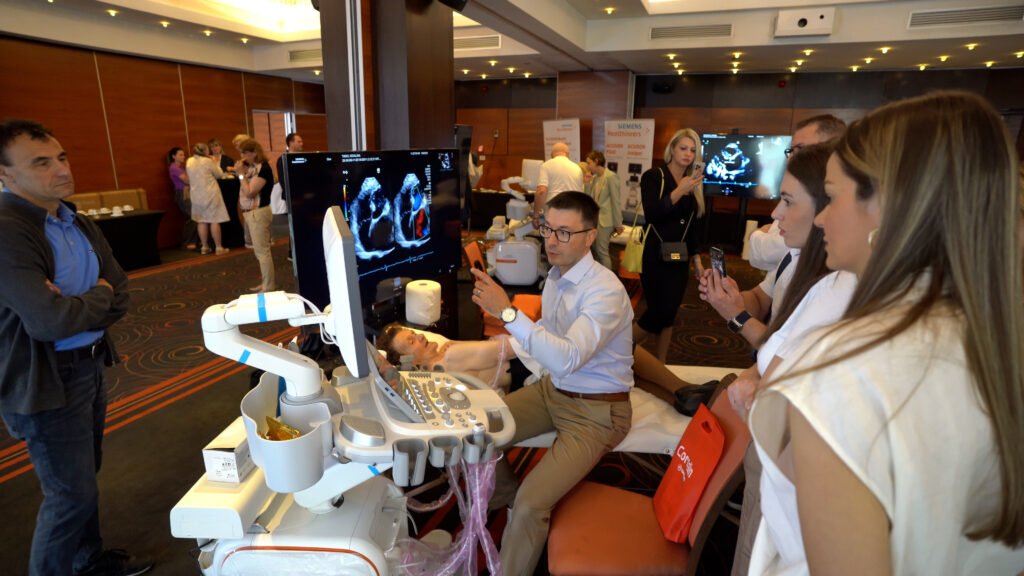
Dr. Mačkić Clinic has made a major step forward in modern diagnostics by hosting a team from the international company Siemens Healthineers, who presented their latest premium ultrasound system, the ACUSON Origin AI – a state-of-the-art next-generation device based on advanced artificial intelligence (AI), designed primarily for cardiology diagnostics.

What is ACUSON Origin AI and what makes it special?

ACUSON Origin AI is a premium cardiovascular ultrasound system from Siemens Healthineers that uses artificial intelligence algorithms to analyze and interpret ultrasound data in real time. The device is designed to make physicians’ work easier, standardize examinations, and increase diagnostic accuracy, with maximum patient safety.

Thanks to advanced AI tools, the system automatically recognizes anatomical structures of the heart, suggests optimal views, and helps measure key parameters of cardiac function. This is particularly important in complex cardiology cases, where every subtle detail in the image can be of great significance.

Advanced features presented during the Siemens team’s visit

During the demonstration at Dr. Mačkić Clinic, Siemens experts showed live how ACUSON Origin AI changes the way ultrasound examinations are performed:

  • Automatic real-time image processing and analysis – the device independently recognizes structures and optimizes image contrast and clarity.
  • AI algorithms for early detection of pathology – helping identify subtle pathological changes that can easily be missed by the naked eye.
  • Significantly shorter examination time – automated measurements and predefined protocols reduce the number of necessary steps and keystrokes.
  • Improved standardization of findings – each examination is more consistent, making it easier to compare results over time and between different physicians.
  • Ergonomic design for physicians – comfortable operation and a logical control layout reduce fatigue and the risk of occupational injuries among sonographers.
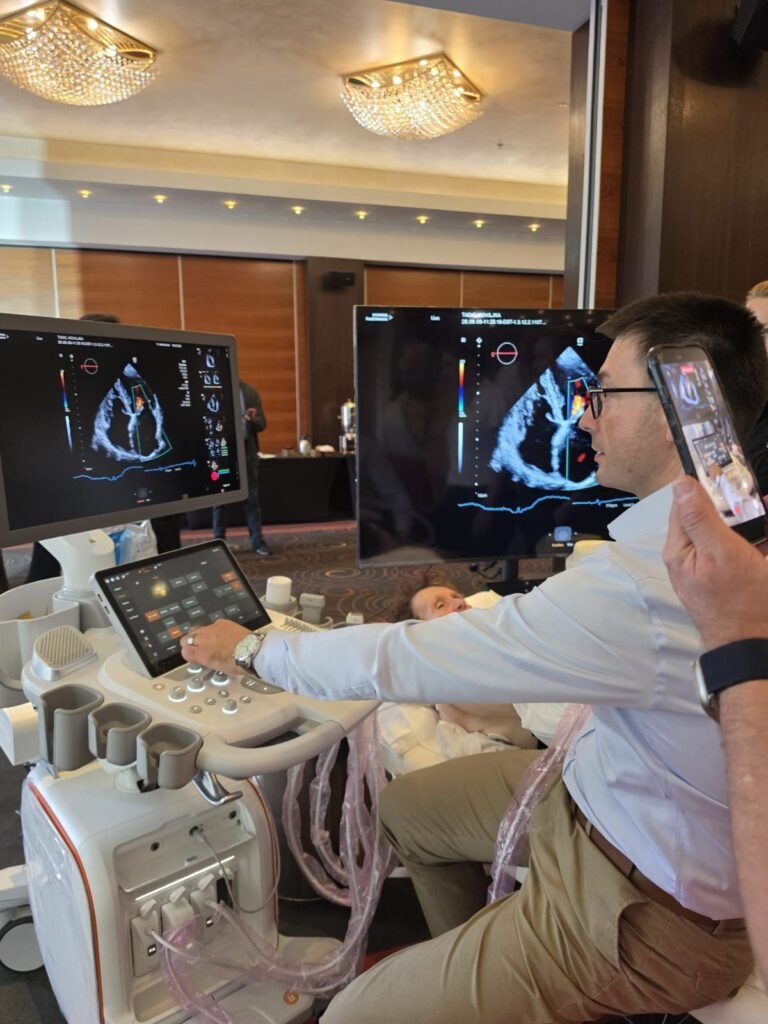
Demonstration of how the ACUSON Origin system works

Demonstration of the sophisticated AI system in operation

How AI works in practice: from image to diagnosis

The built-in AI modules in the ACUSON Origin system use a vast database of ultrasound images and data to:

  • recognize standard cardiology views of the heart and blood vessels,
  • automatically position the color Doppler window and sample volume for Doppler analysis,
  • perform automatic contouring of cardiac chambers and valves,
  • measure parameters such as ejection fraction, chamber dimensions, flow velocities through the valves, and similar values,
  • provide a standardized report that the physician then supplements with their clinical conclusion.

This approach reduces variability between different operators and enables even complex examinations to be faster, more precise, and less susceptible to human error.

Benefits for patients: faster, more comfortable, and more precise examinations

The introduction of the ACUSON Origin AI system into the work of Dr. Mačkić Clinic brings a number of direct benefits for patients:

  • Less time spent during the examination – shortened protocols and rapid analysis mean less fatigue and stress for the patient.
  • Greater diagnostic accuracy – more detailed images and AI support reduce the chance of missing important changes.
  • Earlier disease detection – subtle changes in the structure and function of the heart can be identified at an earlier stage.
  • Better treatment planning – precise measurements help the physician choose the optimal therapeutic approach.
  • No radiation – ultrasound is a method without ionizing radiation, making it safe for children, pregnant women, and patients with chronic diseases.

Special importance in cardiology, internal medicine, and preventive diagnostics

Although ACUSON Origin is primarily focused on cardiovascular diagnostics, its capabilities are also valuable in internal medicine and preventive examinations. Cardiologists can monitor the condition of the heart muscle, valves, and major blood vessels with greater confidence, while internists gain clearer insight into heart function in patients with hypertension, diabetes, or other chronic conditions.

As part of preventive examinations, such a system enables detection of risk-related changes even in patients who do not yet have pronounced symptoms, creating an opportunity for timely lifestyle changes and therapy.

Patient experience at Dr. Mačkić Clinic

At Dr. Mačkić Clinic, the examination begins with a detailed consultation with the physician, during which information is gathered about symptoms, previous illnesses, and risk factors. This is followed by an ultrasound examination using the ACUSON Origin AI system.

Thanks to the intuitive interface and AI support, the physician can focus more on explaining the findings to the patient and less on the technical details of performing the examination. The results are clear, well-organized, and easy to understand, which gives patients additional confidence.

Expert opinion: one step closer to European and global standards

“Cooperation with companies such as Siemens opens new opportunities to improve diagnostic work in Sarajevo and throughout Bosnia and Herzegovina and brings us closer to European and global standards in medicine,” said Dr. Milan Gluhović, internist-cardiologist, during the presentation of the device.

This event confirms the strategic orientation of Dr. Mačkić Clinic toward introducing the most modern technologies, so that patients can receive diagnostics at the level of leading centers in the region and Europe.

Frequently Asked Questions

Is an examination with the ACUSON Origin AI system painful?

No. Ultrasound examination is completely painless, non-invasive, and radiation-free. The patient feels only slight pressure from the probe on the skin.

How long does a cardiac ultrasound examination last?

Thanks to AI assistance, the examination usually lasts 15–30 minutes, often shorter than with standard systems.

Is any special preparation needed for the examination?

No special preparation is required for a standard cardiac ultrasound. If specific instructions are needed, the physician will inform you in advance.

Who should have a preventive heart examination?

A preventive examination is recommended for people with high blood pressure, diabetes, elevated cholesterol, smokers, and anyone with a family history of cardiovascular disease.

How to schedule an examination at Dr. Mačkić Clinic?

If you would like to have a cardiac ultrasound examination using the ACUSON Origin AI system or a cardiology examination with an internist-cardiologist, you can contact Dr. Mačkić Clinic by phone or through the online appointment form.

Do not wait for symptoms to worsen – timely diagnostics is the key to long-term preservation of heart health.

Commitment to top diagnostic standards

The visit of the Siemens team and the introduction of ACUSON Origin AI ultrasound confirm Dr. Mačkić Clinic’s commitment to providing patients with the most modern diagnostic methods and services in line with the highest international standards. The combination of expert staff and top-level technology creates the foundation for precise, fast, and safe diagnostics.

Dr. Milan Gluhović at the ESC Congress in Madrid: The Voice of Bosnia and Herzegovina on the Global Stage

The largest global gathering of cardiologists, held in the heart of Madrid at the IFEMA congress center, brought together more than 35,000 participants from around the world.

What makes the ESC Congress the most important event in cardiology?

The ESC Congress (European Society of Cardiology Congress) is considered the central meeting place for leading experts in cardiology and cardiovascular research. Each year, the latest guidelines, results of global clinical trials, innovations in digital medicine, and advanced therapeutic methods that are changing practice worldwide are presented.

This year’s congress in Madrid was particularly significant because the focus was on the theme “Global Health: Cardiology Beyond Borders”. The emphasis was on international cooperation and the global burden of cardiovascular diseases, which remain the leading cause of death worldwide.

Additional value was added to the congress by numerous sessions dedicated to artificial intelligence in cardiology, prevention in young patients, digital health platforms, and advanced methods in interventional cardiology.

Participation of Bosnia and Herzegovina: Dr. Milan Gluhović on the Global Stage

Among hundreds of speakers, Dr. Milan Gluhović, internist-cardiologist and active member of the Association of Cardiologists in Bosnia and Herzegovina, particularly stood out. Dr. Gluhović was invited to speak on the prestigious Global Stage platform, where countries and experts contributing to the global fight against cardiovascular diseases are presented.

In his presentation, he highlighted alarming data on the burden of cardiovascular diseases in Bosnia and Herzegovina, noting that Bosnia and Herzegovina remains among the countries with the highest mortality rates from these diseases in Europe. He emphasized that the key to the solution lies in early prevention, strengthening healthcare, and educating the population.

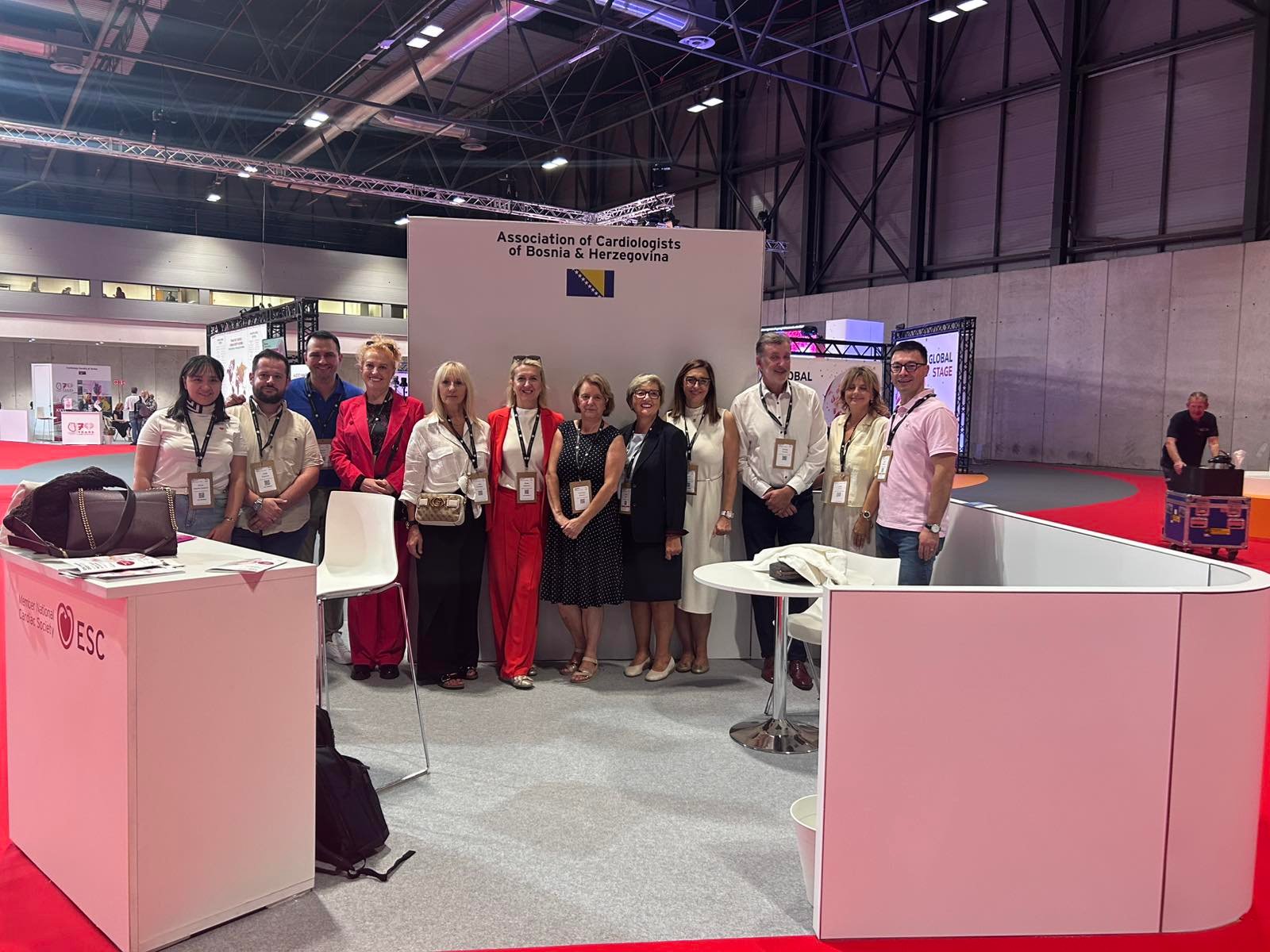
Dr. Milan Gluhović with other congress participants in Madrid

Key topics and strategies presented by Dr. Gluhović

During the presentation, Dr. Gluhović spoke about priority public health goals and long-term strategies actively implemented by the Association of Cardiologists of Bosnia and Herzegovina:

  • Improving screening programs – especially for hypertension, dyslipidemia, and diabetes, which are the most common risk factors.
  • Promoting healthy lifestyle habits – combating sedentary behavior, encouraging healthier nutrition, and reducing tobacco use.
  • Connecting primary and secondary care – faster diagnostics, digital systems, and more efficient information exchange.
  • Continuous education of healthcare professionals – symposia, workshops, and professional activities aligned with European standards.
  • Developing cardiovascular disease registries – crucial for monitoring trends and planning public health interventions.

His presentation generated great interest among participants, once again demonstrating Bosnia and Herzegovina’s commitment to international cooperation and cardiovascular prevention.

In the video below, you can watch part of our expert’s presentation.

What marked the ESC Congress 2025 in Madrid?

The congress was marked by numerous technological and medical innovations. The following innovations and topics were particularly highlighted:

  • New ESC guideline for heart failure – introducing modernized therapeutic recommendations.
  • Digital cardiology – AI algorithms for the early detection of arrhythmias and coronary artery disease.
  • Advanced approaches in interventional cardiology – new stents, robotics, and minimally invasive procedures.
  • Prevention programs for the younger population – a response to increasingly frequent early cardiovascular risks.
  • Global comparisons of healthcare systems – presenting models of good practice from Scandinavia, Japan, and Canada.

Thanks to its rich program, Madrid became the center of world cardiology this year, and the congress attracted more than 4,000 research papers and presentations.

Dr. Gluhović’s impressions and the significance of Bosnia and Herzegovina’s participation

“This was an opportunity to present the work of our Association, but also to emphasize the importance of joint action in the fight against cardiovascular diseases. Our mission is clear – prevention, early detection, and modern treatment must be priorities if we want to reduce the high burden of heart disease in Bosnia and Herzegovina,” said Dr. Gluhović after his presentation.

His participation further confirmed that Bosnia and Herzegovina has experts who follow European trends and actively contribute to the global cardiology community.

The congress as motivation for further development of cardiology in Bosnia and Herzegovina

ESC Congress 2025 brought valuable knowledge and experience that will benefit healthcare institutions and professionals in Bosnia and Herzegovina. The participation of local cardiologists represents a step forward in:

  • modernization of cardiology diagnostics,
  • implementation of new therapeutic protocols,
  • strengthening international cooperation,
  • launching new prevention and education projects.

This represents a strong incentive to improve healthcare and raise awareness of the importance of preventing heart disease in Bosnia and Herzegovina.

Cardinal Vinko Puljić at a Preventive Cardiology Examination at Dr. Mačkić Clinic in Sarajevo

This important event further highlights the significance of preventive heart examinations and the trust that patients place in Dr. Milan Gluhović’s team.

Preventive cardiology examination – an important step toward preserving health

Dr. Mačkić Clinic in Sarajevo had the special honor of welcoming the Cardinal of Vrhbosna, Msgr. Vinko Puljić, who underwent a preventive heart examination with internist-cardiologist Dr. Milan Gluhović as part of his regular health check-up. This visit represents great recognition of the professionalism and trust that patients have traditionally placed in our team.

Preventive heart examinations are essential for the early detection of heart disease and timely intervention. Due to the growing number of patients with cardiovascular risk, Dr. Mačkić Clinic Sarajevo strongly emphasizes the importance of regular check-ups, especially for people over the age of 50 and those with risk factors.

Detailed examination and modern diagnostics

During the visit, a comprehensive cardiology examination was performed using the most advanced diagnostic methods available at the clinic. The examination included:

  • internal medicine and cardiology examination,
  • ECG analysis,
  • cardiac ultrasound (echocardiography),
  • blood pressure measurement,
  • assessment of overall cardiovascular risk,
  • recommendations and advice on healthy habits and heart monitoring.

This comprehensive approach enables early detection of heart conditions and helps patients take timely steps to preserve their health.

Expertise of Dr. Milan Gluhović and patient trust

Dr. Milan Gluhović is one of the most respected internist-cardiologists in Sarajevo and Bosnia and Herzegovina, with many years of experience in the diagnosis and treatment of cardiovascular diseases. His professional approach, expertise, and dedication to patients are the reasons why he is chosen by patients from across the country.

It is a great honor for us that Cardinal Puljić recognized our clinic as a place where the highest standards of expertise, trust, and patient care are upheld,” emphasized Dr. Gluhović.

Dr. Mačkić Clinic Sarajevo – a modern cardiology practice

Dr. Mačkić Clinic Sarajevo takes pride in its state-of-the-art equipment and high standards in internal medicine and cardiovascular diagnostics. The clinic focuses on preventive examinations and early detection of heart disease, which is of key importance in the fight against the leading cause of mortality in Bosnia and Herzegovina.

The combination of an expert team, modern equipment, and an individual approach to every patient makes this clinic one of the leading private cardiology centers in Sarajevo.

An event of significance for the wider community

Cardinal Puljić’s visit carries special symbolic importance because it points to the significance of caring for one’s health and responding in a timely manner. This act sends the message that preventive medicine is the foundation of long-term health preservation, regardless of social status, age, or profession.

This event represents strong confirmation that continuous education, expertise, and investment in the quality of medical services bring recognition both within the professional community and in society at large.

Participation of Dr. Gluhović at the XXVI National Congress of Cardiologists of Serbia

From October 23 to 26, 2025, the XXVI National Congress of Cardiologists of Serbia was held on Zlatibor, at the prestigious Hotel Tornik. It is one of the most important professional cardiology meetings in the region. The congress brought together leading experts from Serbia, the region, and Europe, with more than one hundred lectures, sessions, and workshops dedicated to advances in the diagnosis and treatment of cardiovascular diseases.

Participation of Mr. Dr. Milan Gluhović

Dr. Milan Gluhović actively participated in the congress as a lecturer within the session of the Heart Failure Working Group, one of the most dynamic and well-attended professional sessions.

In his presentation, Dr. Gluhović presented a clinical case focused on the management of a patient with heart failure of a specific etiology. The lecture included:

  • diagnostic approach to a patient with an atypical presentation of heart failure
  • integration of modern echocardiographic and laboratory parameters
  • therapeutic decision-making in accordance with the latest European and regional guidelines
  • a multidisciplinary approach to follow-up and long-term patient management

The practical aspect of the presentation attracted particular attention, with an emphasis on strategies that can be directly applied in everyday clinical practice, especially when working with patients who have complex etiological backgrounds of heart failure.

Significance of Participation

Participation in a congress of this kind confirms Dr. Gluhović’s continuous professional development, as well as his active contribution to the regional cardiology community. The exchange of experience and presentation of challenging clinical cases further strengthen the quality of professional work and improve patient care, which is one of the key goals of modern cardiology.

Dr. Gluhović with other congress participants

Echocardiography School at the Grude Health Center

Organized by the health centers and cantonal associations of physicians of the Herzegovina-Neretva and West Herzegovina cantons, a full-day School of Electrocardiography intended for primary healthcare physicians was held on November 8, 2025 at the Grude Health Center.

This intensive educational program aimed to improve knowledge and practical skills in ECG interpretation, with special emphasis on the early recognition of cardiovascular emergencies. The event brought together a large number of participants from various healthcare institutions in the region, including health centers, emergency medical services, and specialist outpatient clinics.

Organization and course of the education program

The program was organized as a full-day workshop that included a combination of theoretical lectures and practical work. In the introductory part, the goals of the education program were presented, along with the importance of proper ECG interpretation in primary care and the role of family medicine physicians in the early detection of cardiovascular diseases.

After the introductory remarks, a series of lectures and interactive sessions followed, during which participants had the opportunity to:

  • refresh their knowledge of the basic principles of electrocardiography,
  • become familiar with advanced approaches to ECG analysis,
  • work on examples of real ECG findings from everyday clinical practice,
  • discuss dilemmas in interpretation of findings and clinical decision-making.

A special segment was dedicated to the simulation of clinical scenarios, where participants, based on ECG recordings and a brief clinical description, jointly reached conclusions about further diagnostic and therapeutic steps.

Dr. Gluhović as a lecturer at the School of Electrocardiography for primary care physicians in Grude

Mr. Dr. Milan Gluhović was invited as a lecturer and one of the key educators during the program.
Thanks to his extensive clinical experience and many years of involvement in medical education,
Dr. Gluhović made a special contribution to the quality of this school.

In his lecture, he focused primarily on practical ECG interpretation, with clear and directly applicable guidelines for the everyday work of family and general medicine physicians. The emphasis was on ensuring that the ECG is not perceived merely as a “technical finding,” but as an important part of the patient’s overall clinical picture.

Main topics of Dr. Gluhović’s lecture

  • Basic and advanced principles of ECG analysis – a systematic approach to interpretation, from rhythm and heart rate assessment to analysis of waves and segments.
  • Recognition of arrhythmias in primary care – how to distinguish benign from potentially life-threatening arrhythmias.
  • Differential diagnosis of chest pain based on ECG – when ECG is sufficient to raise suspicion of acute coronary syndrome, and when additional diagnostics are needed.
  • ECG signs of emergency conditions – situations that require immediate action, referral to hospital, or activation of emergency medical services.
  • The most common mistakes in ECG interpretation and how to avoid them – practical advice for avoiding incorrect conclusions in everyday work.

The lecture was highly interactive: participants had the opportunity to solve a series of ECG examples, ask questions, and discuss clinical scenarios directly related to their everyday work in the outpatient clinic. In this way, theory was immediately connected with practice.

Focus on primary healthcare physicians

One of the key goals of the School of Electrocardiography in Grude was to strengthen the role of primary healthcare in the management of cardiovascular patients. Since family medicine physicians are often the first to come into contact with patients who have chest pain, palpitations, dizziness, or fainting, their ability to interpret ECGs quickly and accurately is of crucial importance.

Through practical examples, the following was emphasized:

  • when a patient can be safely monitored at the primary care level,
  • when it is necessary to urgently refer the patient to a higher level of healthcare,
  • how to communicate findings to the patient and their family in an understandable way.

Participant impressions and plans for the future

Participants particularly highlighted the practical value of the education program, emphasizing that the knowledge acquired during the school could be applied as early as the next working day in their outpatient clinics. Positive reactions also referred to the clarity of the lectures, the logical structure of the program, and the openness of the lecturers to questions and discussion.

The organizers expressed their intention for this type of education to become a regular practice, with plans to
organize advanced modules in electrocardiography, as well as education programs in other areas of cardiology and emergency
medicine that are important for primary care physicians.

All participants of the echocardiography school at Grude Health Center with Dr. Milan Gluhović

The importance of such education programs for the healthcare system

The School of Electrocardiography in Grude represents an important form of continuing medical education in the region. At a time when cardiovascular diseases remain the leading cause of morbidity and mortality, investing in the knowledge and skills of primary care physicians has a direct impact on the timely recognition and adequate management of patients.

Such programs contribute to:

  • improving the quality of healthcare,
  • better cooperation between primary and secondary/tertiary healthcare,
  • reducing the risk of incorrect assessment of the patient’s condition,
  • strengthening physicians’ professional competencies and confidence.

Dr. Gluhović’s participation as a lecturer confirms his long-standing contribution to medical education and the dissemination of professional knowledge, both in Bosnia and Herzegovina and in the region. His involvement in such programs further motivates physicians to continue their professional development, for the benefit of their patients and the healthcare system as a whole.

Participants of the echocardiography school at Grude Health Center attending the lecture

Joint Session of the Cardiology Societies of Türkiye and Bosnia and Herzegovina

From November 10 to 13, 2022, the 38th Turkish Cardiology Congress was held at the luxurious Titanic Deluxe Hotel in Antalya — the most important annual event of the Turkish Society of Cardiology. The congress brought together leading cardiologists and experts from around the world, with a rich scientific program, interactive sessions, and presentations of the latest advances in the diagnosis and treatment of cardiovascular diseases.

The congress focused on modern guidelines in cardiology, advanced therapeutic options in the treatment of heart failure, coronary heart disease, arrhythmias, and other complex conditions. Special attention was given to clinical examples from everyday practice and ways to apply new recommendations in real-world settings, from university clinics to primary healthcare.

Joint Session of the Cardiology Societies of Türkiye and Bosnia and Herzegovina

This year, the congress gained special value through the joint session of the
Turkish Society of Cardiology and the Association of Cardiologists in Bosnia and Herzegovina.
This session further strengthened professional ties between the two countries, enabling the exchange of experience, comparison of the organization of cardiology centers, and alignment with the latest European and international guidelines.

The session focused on:

  • complex clinical cases of patients with heart failure and comorbidities,
  • exchange of experience in the organization of heart failure outpatient clinics and cardiology clinics,
  • presentation of the latest therapeutic approaches in the treatment of heart failure according to modern guidelines,
  • the importance of teamwork between cardiologists, internists, family medicine physicians, and nurses,
  • individualization of therapy according to the specific characteristics of each patient.

Joint sessions like this represent a key platform for the development of international cooperation in cardiology and directly contribute to better patient care in Bosnia and Herzegovina.

Lecture by Mr. Dr. Milan Gluhović

Mr. Dr. Milan Gluhović participated in the congress as an invited speaker, which represents great recognition of his professional work and contribution to cardiology in the region. As part of the joint session between Türkiye and Bosnia and Herzegovina, Dr. Gluhović presented a detailed case report of a patient with heart failure.

Special emphasis in his lecture was placed on:

  • diagnostic challenges in complex etiologies of heart failure, where ischemic disease, hypertension, and valvular defects overlap,
  • practical application of modern guidelines for the treatment of heart failure in real-world conditions, with therapy tailored to each patient,
  • integration of echocardiographic findings, laboratory parameters such as natriuretic peptides, and the clinical picture in decision-making,
  • the importance of individualized patient follow-up, regular cardiac check-ups, and optimization of therapy according to response to medication,
  • timely recognition of the moment when advanced therapeutic options should be introduced or the patient referred to a tertiary center.

Dr. Gluhović’s presentation attracted great attention from participants due to its high practical value. Through a clearly structured case report and detailed analysis, he demonstrated how a complex patient with heart failure can be managed over a longer period of time, with targeted adjustment of therapy and close cooperation with a team of physicians.

The discussion that followed the lecture showed how relevant this topic is in the everyday practice of cardiologists and internists, as well as family medicine physicians involved in the long-term follow-up of cardiology patients.

Professional Development and Following Modern Guidelines

Participation in international meetings such as the 38th Turkish Cardiology Congress in Antalya enables cardiologists to stay up to date with the latest:

  • guidelines for the treatment of heart failure,
  • new medications and therapeutic combinations,
  • technological advances in echocardiography and other diagnostic methods,
  • strategies for cardiovascular disease prevention and secondary prevention in high-risk patients.

This type of continuous education directly affects the quality of cardiology examinations, follow-up of patients with heart failure, and decision-making regarding the best therapeutic approach.

The Importance of International Cooperation for Cardiology Practice

International cooperation in cardiology plays a key role in raising the standards of patient treatment. Dr. Gluhović’s participation in this prestigious congress confirms his commitment to continuous professional development, as well as his active contribution to the international cardiology community.

Dr. Gluhović with other doctors participating in the cardiology congress in Türkiye

Joint sessions like this:

  • strengthen professional ties between countries,
  • enable the exchange of experience in treating the most complex cardiology patients,
  • help implement the latest European and global guidelines into local practice,
  • lead to better treatment outcomes and improved quality of life for patients.

For patients and physicians in Bosnia and Herzegovina, appearances like this are a guarantee that our region follows the same standards applied in leading cardiology centers in Europe and worldwide.

What this means for patients at Dr. Mačkić Clinic

At Dr. Mačkić Cardiology Clinic, special emphasis is placed on a modern approach to the diagnosis and treatment of cardiovascular diseases. Cooperation and exchange of experience with top experts such as Dr. Milan Gluhović, who actively participates in international congresses, enables:

  • our cardiology examinations to be aligned with the latest guidelines,
  • modern principles in the treatment of heart failure and other cardiological diseases to be applied in everyday work,
  • a modern, individualized approach to each patient,
  • patients to receive clear recommendations regarding therapy, lifestyle, and control of risk factors.

Whether you are coming for a heart check-up, ECG, echocardiography, or your first cardiology examination, the knowledge and experience brought from such international meetings are reflected in the quality of care you receive at Dr. Mačkić Clinic.

The goal of our team is to offer patients safety, expertise, and modern cardiology diagnostics, in line with the standards of leading European cardiology centers.

Conclusion

Dr. Milan Gluhović’s participation in the 38th Turkish Cardiology Congress in Antalya once again confirms how important it is for cardiologists from Bosnia and Herzegovina to be actively involved in international developments, follow progress in cardiology, and exchange experience with colleagues from other countries.

Through such congresses and professional sessions, knowledge does not remain limited to lecture halls — it is transferred to clinics, outpatient practices, and hospitals, where it matters most: in direct contact with patients. That is why connecting Dr. Mačkić Clinic with experts who actively participate in international congresses is an important step toward providing top-level cardiology care in our community.

Dr. Gluhović at an informal dinner during the cardiology congress in Antalya

Patient Advice for Preparing for an Examination at an Internal Medicine and Cardiology Clinic

Proper preparation for an examination at an internal medicine and cardiology clinic is extremely important in order for the examination to be performed thoroughly, safely, and with reliable results. Below are the basic recommendations for preparing for the most common diagnostic procedures performed in cardiology practice.

General recommendations before coming for an examination

  • Bring all medical documentation you have, including previous findings, discharge letters, CDs with imaging studies, and a list of your medications.
  • Prepare an accurate list of the medications you take, including doses and the time of administration.
  • Arrive 10–15 minutes early to avoid rushing and stress.
  • If you have acute symptoms, such as severe chest pain, shortness of breath, or dizziness, be sure to inform the medical staff immediately.

Preparation for abdominal ultrasound

Abdominal ultrasound is a painless and non-invasive method, but the quality of the examination depends significantly on proper preparation.

Recommendations

  • Come to the examination on an empty stomach, without food or drink for at least 6–8 hours before the examination.
  • You may take a small sip of water if you need to take your regular medication, unless advised otherwise.
  • Avoid carbonated drinks, milk, and coffee the day before the examination.
  • It is recommended to avoid heavy and fatty foods the day before the examination.
  • If you have problems with bloating, you may take anti-gas preparations, such as simethicone, according to the advice of your doctor or pharmacist.

Preparation for dobutamine stress echocardiography

Dobutamine stress echocardiography is a specialized test used to assess ischemic heart disease and the function of the heart muscle.

Important: Beta-blockers should be discontinued 48 hours (2 days) before the examination, unless your cardiologist specifically tells you otherwise.

Examples of beta-blockers: metoprolol, bisoprolol, nebivolol, atenolol, carvedilol.

Additional instructions

  • Take all other medication strictly according to your doctor’s instructions.
  • On the day of the examination, come fasting or after a light meal, according to the clinic’s instructions.
  • Avoid coffee, energy drinks, and smoking for at least 12 hours before the examination.

Be sure to inform your doctor if you have

  • asthma or chronic lung disease
  • heart rhythm disorders
  • previous allergic reactions to medications

The examination is performed under constant supervision by a doctor and medical staff, with continuous ECG and blood pressure monitoring.

Preparation for transesophageal echocardiography (TEE)

Transesophageal echocardiography provides a detailed view of heart structures through the esophagus.

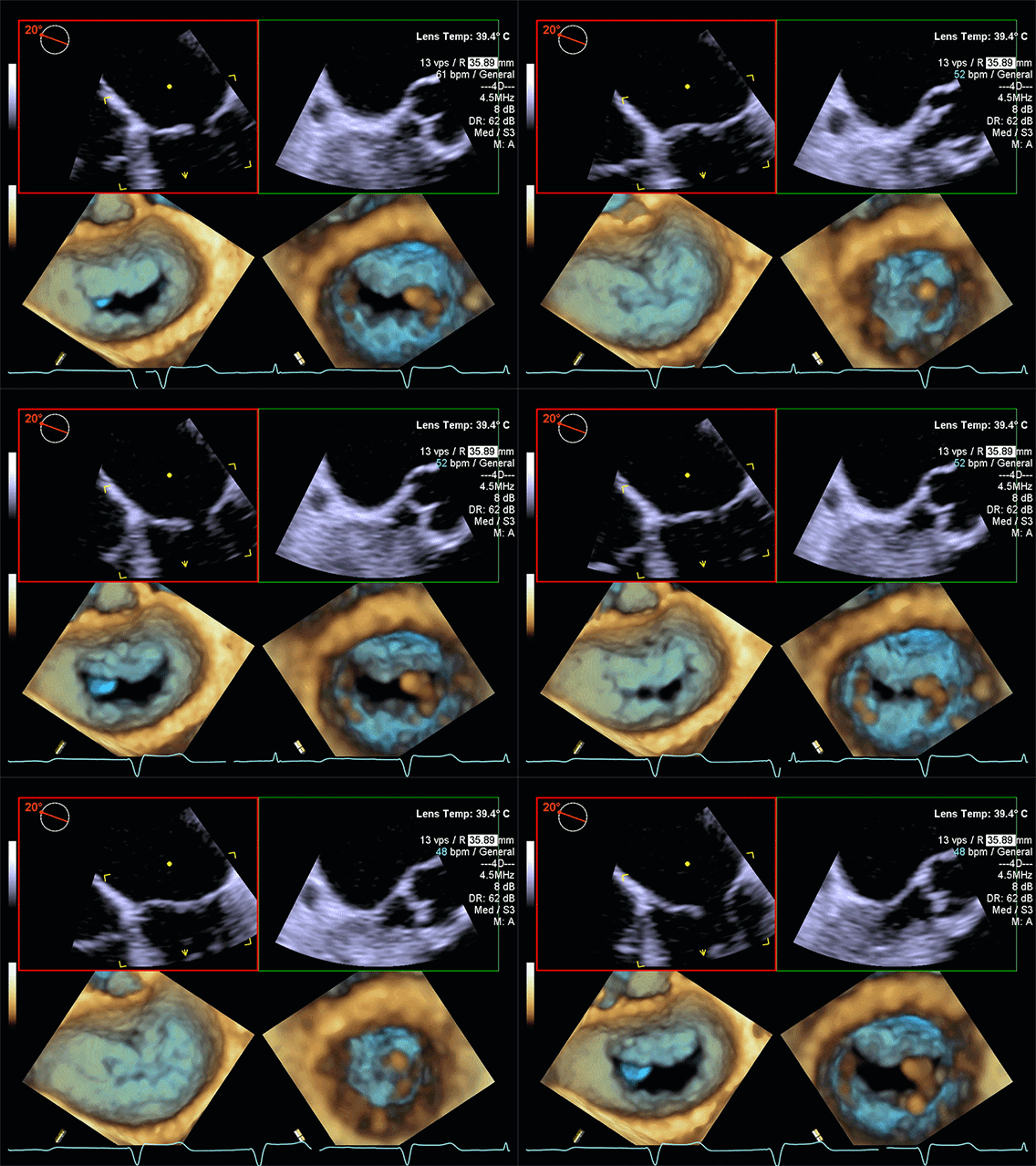
Illustration of preparation for cardiac ultrasound

Preparation includes

  • You must come fasting for at least 6 hours before the examination, with no food or drink.
  • Take your regular medication only if previously permitted, with a minimal amount of water.
  • Remove dental prostheses before the examination.

Inform your doctor if you have

  • diseases of the esophagus or stomach
  • previous surgery of the upper digestive tract
  • difficulty swallowing

After the examination

  • You must not eat or drink for at least 1 hour, until the swallowing reflex returns.
  • It is recommended that you do not drive or make important decisions for several hours after the examination, especially if sedation was used.
  • Ideally, you should come accompanied by another person.

Preparation for exercise stress testing

Exercise stress testing, performed on a treadmill or bicycle, assesses the heart’s response to physical exertion.

Illustration of an exercise stress test in a cardiology clinic

Before the examination

  • Wear comfortable clothing and sports shoes.
  • Do not eat large meals 2–3 hours before the test.
  • Avoid coffee, cigarettes, and energy drinks for at least 12 hours before the test.
  • Take your medication according to your cardiologist’s instructions, as some medications are sometimes temporarily discontinued.

Be sure to inform the staff if you have

  • chest pain
  • dizziness
  • an acute infection or fever

The test is stopped immediately if symptoms occur or if the doctor determines that it is necessary.

Final note

Proper preparation for diagnostic examinations enables:

  • a more accurate diagnosis
  • greater patient safety
  • shorter examination duration
  • avoidance of unnecessary repetition of procedures

If you have any questions or concerns, feel free to contact the clinic staff before coming for your examination. Our goal is for the examination to be performed safely, professionally, and with maximum care for your health.

Coffee and Health – What Does Science Say About Drinking Coffee Every Day?

Coffee is one of the most commonly consumed beverages in the world and an essential part of many people’s morning routine. But is coffee healthy? Does it increase the risk of heart disease, or does it, on the contrary, reduce it? Modern scientific research in recent years has provided increasingly clear answers.

Moderate coffee consumption and health outcomes

According to large cohort studies and meta-analyses, for most healthy adults, consuming 2–4 cups of coffee per day is associated with more favorable health outcomes. These benefits primarily relate to lower overall mortality and a reduced risk of certain chronic diseases.

It is important to emphasize that this evidence is mostly based on observational studies, meaning that it shows an association, not direct causality.

What is best supported by evidence?

  • Lower overall mortality, especially in people who drink around 3–4 cups of coffee per day
  • Reduced risk of type 2 diabetes, both with caffeinated and decaffeinated coffee
  • Favorable associations with liver health, including a lower risk of fibrosis and cirrhosis
  • No evidence that moderate coffee consumption increases the risk of atrial fibrillation

When should you be cautious with coffee?

Although coffee has potential benefits, it is not equally suitable for everyone. There are situations in which it is advisable to reduce caffeine intake or switch to decaffeinated coffee:

  • Insomnia, anxiety, or pronounced sensitivity to caffeine
  • Tremor or a feeling of “heart pounding”
  • Uncontrolled arterial hypertension, as coffee may temporarily raise blood pressure
  • Gastroesophageal reflux disease (GERD), where coffee may worsen symptoms
  • Tachyarrhythmias that the patient individually associates with caffeine intake

How to drink coffee in a “healthier” way?

The method of preparation and timing of coffee consumption play a significant role in its overall effect on health:

  • During pregnancy and breastfeeding, an intake of <200 mg of caffeine per day is recommended
  • Avoid additives such as sugar, syrups, and sweetened creamers
  • Whenever possible, choose filtered coffee, because unfiltered coffee, such as boiled coffee or French press coffee, may increase LDL cholesterol
  • Drink coffee earlier in the day, ideally in the morning, so it does not disturb sleep
  • For healthy adults, caffeine intake of up to 400 mg per day is generally considered safe

How much caffeine does coffee contain?

The amount of caffeine varies depending on the type and method of preparation:

  • Filtered coffee (240 ml): approximately 80–120 mg of caffeine
  • Espresso: around 60–80 mg of caffeine per shot

The goal should be moderate intake, without drinking coffee late in the evening.

Does coffee have a “safe dose”?

Coffee is not a medicine, but it can be part of a healthy lifestyle. The greatest benefits are seen with moderate consumption, without excessive intake and without high-calorie additives that may cancel out the positive effects.

This text is for informational purposes only and does not replace individual medical advice.

Wine and Health: What Does Science Say About Moderate Wine Consumption?

Wine is often associated with the Mediterranean lifestyle, socializing, and enjoying food. However, one question keeps coming up: is wine healthy, and is there a “safe dose” of alcohol? Scientific data are clear on one important message: wine is not a medicine and should not be started for health reasons.

Conclusion from research: a small amount of wine is not associated with higher risk

For most healthy adults, a small amount of wine (up to 1 glass per day) has not been associated with increased risk in studies. However, “neutral” does not mean “protective” — especially because the results are largely based on observational studies (associations), not evidence of causality.

What is best supported by evidence?

  • Moderate consumption (≤1 glass/day) is not associated with higher overall mortality.
  • Some studies show a lower risk of coronary heart disease, but lifestyle likely plays a significant role, including diet, physical activity, and socioeconomic factors.
  • Wine has no protective effect against cancer.
  • Resveratrol in wine is present in quantities too small to have a clinically relevant effect.

When should you be cautious or avoid wine?

There are situations in which the recommendation is to reduce or completely avoid alcohol, due to a higher risk of complications or worsening of existing conditions:

  • If you notice that it bothers you — reduce or avoid it.
  • Atrial fibrillation, as alcohol may trigger episodes in sensitive individuals.
  • Uncontrolled hypertension.
  • Heart failure, especially with fluid retention, arrhythmias, or interactions with therapy.
  • Liver disease.
  • Pregnancy and breastfeeding.
  • Interactions with medications, including sedatives, anticoagulants, certain antibiotics, and others.

What is the “safe dose” of alcohol?

The most important public health message is that 0 is the most reliable and safest option. If wine is consumed, moderation is key:

  • If consumed: ≤1 glass/day.
  • Larger amounts increase the risk of atrial fibrillation, hypertension, and cancer.

How to drink wine in the “least harmful” way?

If a person already consumes wine and has no clear contraindications, the following principles reduce risk and help keep intake moderate:

  • Maximum 1 glass, approximately 100–150 ml.
  • Always with a meal.
  • Not every day — take breaks.
  • No “weekend compensation” — several glasses at once carry a higher risk.

Practical message for patients

Moderate wine consumption in healthy adults is often not associated with higher risk, but wine is not therapy. If you do not drink alcohol, there is no medical reason to start. If you do drink, keep it to a small amount, avoid episodes of higher intake, and be sure to talk to your doctor if you have arrhythmias, hypertension, heart failure, liver disease, or if you take medication that may interact with alcohol.

This text is for informational purposes only and does not replace individual medical advice.