
Dr Milan Gluhović on BHT1 Discussing European Training and a New Approach to Heart Failure Care

Dr Milan Gluhović and Prof. Belma Pojskić appeared on BHT1 to discuss contemporary heart failure treatment, the importance of international education, and the opening of a dedicated Heart Failure Clinic at Dr Mačkić Medical Practice.

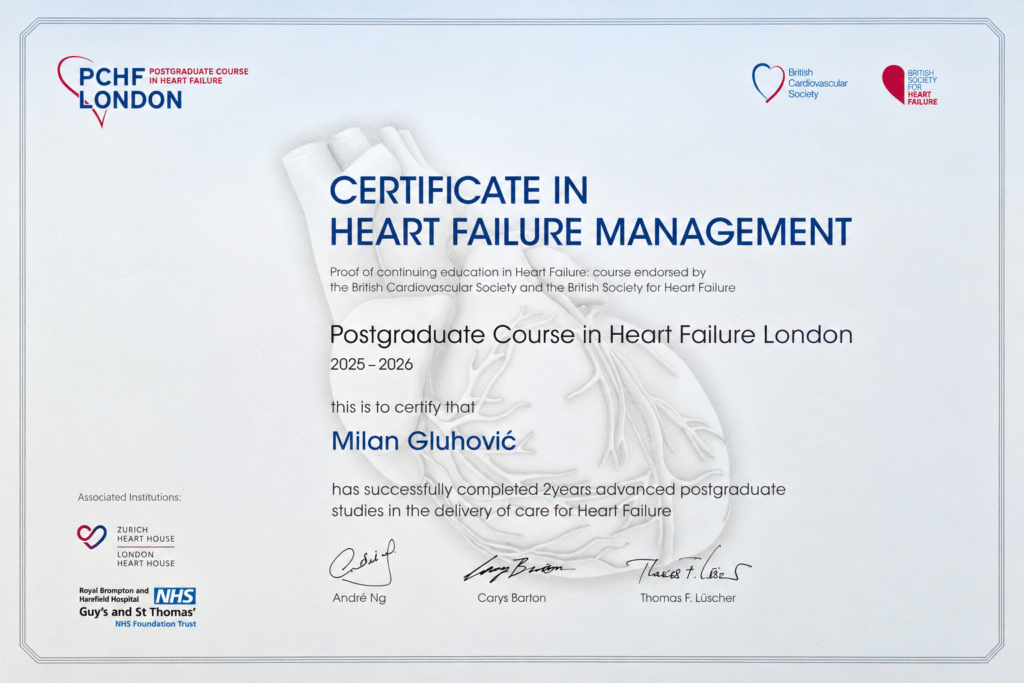
During the programme, Dr Gluhović was introduced as the first cardiologist in Bosnia and Herzegovina to hold a European certificate in heart failure management, following completion of the two-year PCHF London postgraduate programme. A central message of the discussion was that high-quality care requires timely diagnosis, careful adjustment of treatment, and continuous follow-up.

The appearance also provided an opportunity to announce the World Congress on Heart Failure, which will bring together national and international experts at Hotel Holiday in Sarajevo from 23 to 25 October 2026.

Understanding Heart Failure and Recognising Its Symptoms

Heart failure is a condition in which abnormalities in the structure or function of the heart impair its ability to fill properly or maintain adequate blood circulation. It may develop as a consequence of coronary artery disease and heart attacks, longstanding high blood pressure, heart valve disease, or diseases of the heart muscle.

The most common symptoms include shortness of breath, fatigue, and reduced exercise tolerance. Swollen legs and difficulty breathing when lying flat may also occur. These symptoms should not automatically be attributed to ageing or poor physical fitness. Identifying their cause requires a medical history, clinical examination, and appropriate investigations, with echocardiography and measurement of natriuretic peptides, such as NT-proBNP, playing important roles.

Heart failure can also occur when the ejection fraction is preserved. In these patients, the heart may have difficulty relaxing and filling, meaning that a normal ejection fraction alone does not exclude the condition.

PCHF London and Advanced Training in Heart Failure

The Postgraduate Course in Heart Failure Management—PCHF London is a structured international programme providing advanced education in the care of patients with heart failure.

The programme spans two years and comprises six modules, 160 hours of teaching, and 140 hours of independent study. Teaching includes interactive lectures, workshops, case discussions, and clinical visits. Successful completion of the programme and the required assessments leads to a Certificate in Heart Failure Management.

Prof. Thomas F. Lüscher is among the programme directors, alongside internationally recognised experts including Professors Marco Metra and Milton Packer. The curriculum connects the diagnosis of different forms of heart failure with drug treatment, arrhythmia management, cardiac devices, and the care of patients with acute and advanced heart failure.

For Dr Gluhović, completing this programme provides a further foundation for applying contemporary knowledge in daily clinical practice and developing structured outpatient follow-up for patients in Sarajevo.
A Dedicated Heart Failure Clinic at Dr Mačkić Medical Practice

During the broadcast, Dr Gluhović presented the concept of a dedicated Heart Failure Clinic at Dr Mačkić Medical Practice, designed to provide patients with a clear treatment plan and continuity of care.

The planned approach includes assessment of symptoms and cardiac function, review of existing medication, monitoring of laboratory markers, and gradual adjustment of treatment according to each patient’s needs and tolerability. Particular attention will be given to patients recently discharged from hospital following worsening heart failure.

Patient and family education will be an essential part of care. This includes understanding prescribed medication, monitoring body weight, blood pressure, and heart rate, and recognising changes that require medical advice. Where appropriate, follow-up will also include scheduled telephone contact between appointments.

This concept reflects the model of specialist heart failure clinics, where doctors and nurses work together to provide individualised support, involving other specialties when needed.

The clinic aims to achieve better symptom control, improved quality of life, and fewer repeat hospital admissions. Central to this approach is a patient who understands their condition, participates in treatment, and knows whom to contact for support.

Bringing International Expertise to Local Patient Care

During the programme, Prof. Pojskić also discussed international cooperation, advanced heart failure treatment, heart transplantation, and the importance of organ donation.

The shared message was that improving care requires a combination of professional education, contemporary diagnostics, and accessible, continuous patient support. Through the opening of its Heart Failure Clinic, Dr Mačkić Medical Practice aims to contribute to this approach.

We thank BHRT for providing a platform for this important discussion and for its continued support of the Association of Cardiologists of Bosnia and Herzegovina.
Bubble Test: How Heart Ultrasound Can Help Identify a Possible Cause of Cryptogenic Stroke

After a stroke, two of the most important questions are: what caused it, and how can the risk of another stroke be reduced? When the cause of an ischaemic stroke remains unknown despite appropriate investigations, it is called a cryptogenic stroke. In selected patients, further assessment includes looking for a passage that allows blood to flow from the right to the left side of the heart. A bubble test — an echocardiogram with agitated saline contrast — can help detect this passage.

What Is the Connection Between the Heart and Stroke?

A patent foramen ovale (PFO) is a persistent flap-like opening between the right and left atria, the two upper chambers of the heart. This opening is normally present before birth and usually closes afterwards. However, it remains open in approximately one in four adults. Most people with a PFO have no symptoms and never experience a stroke.

Under certain circumstances, a PFO can allow a blood clot from the veins to cross into the arterial circulation, travel to the brain and block a blood vessel. This mechanism is called paradoxical embolism. For this reason, investigating a possible PFO can be an important part of the assessment of selected patients with a stroke of unknown cause.

How Is a Bubble Test Performed?

The examination uses an ultrasound probe placed on the chest. A specially prepared agitated solution containing tiny bubbles is injected through a cannula in a vein, while their movement is observed on ultrasound.

The bubbles first fill the right heart chambers. Their appearance in the left heart may indicate a right-to-left shunt, a passage that requires further assessment. The timing and pattern of bubble appearance help distinguish a passage through the heart from one through blood vessels in the lungs.

During the examination, the patient may be asked to briefly strain, as if having a bowel movement, and then relax. This is called the Valsalva manoeuvre. It can help reveal a PFO that does not allow bubbles to cross at rest. This examination through the chest does not require a probe in the oesophagus and does not use ionising radiation.

What Does a Positive Result Mean?

A positive bubble test does not automatically mean that a PFO caused the stroke or that it needs to be closed. The result is assessed alongside brain imaging, blood vessel investigations and heart rhythm monitoring, particularly to look for atrial fibrillation. When necessary, transoesophageal echocardiography is performed to examine the anatomy in greater detail.

In carefully selected patients, particularly those aged 18–60 years, PFO closure together with appropriate medical treatment can reduce the risk of another stroke. The decision is made jointly by a neurologist and a cardiologist following a comprehensive assessment.

Bubble Testing at Dr Mačkić Clinic

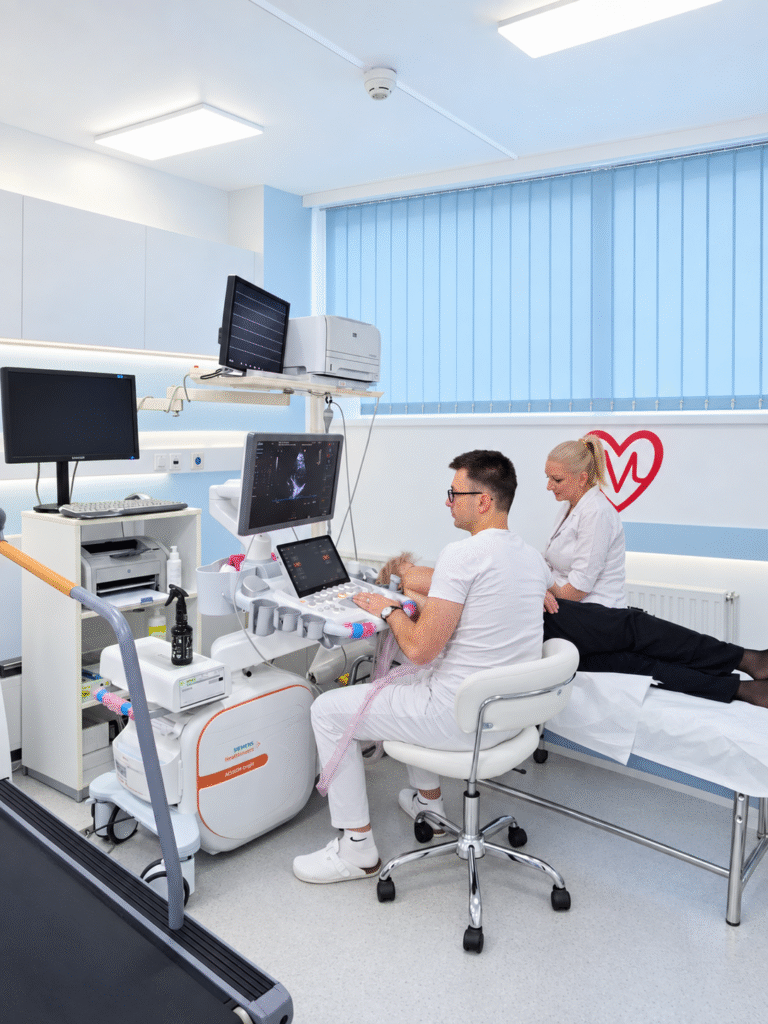
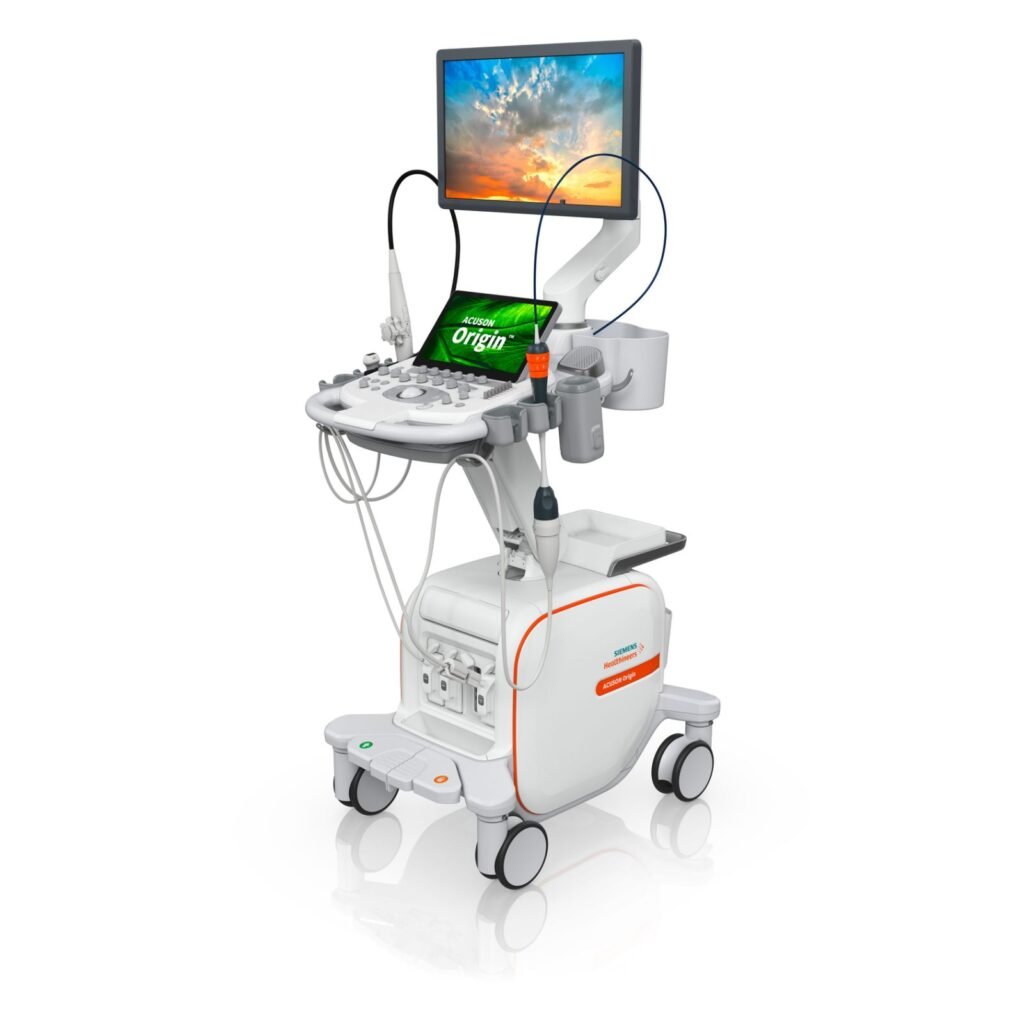
At Dr Mačkić Clinic in Sarajevo, bubble testing is available using the advanced, next-generation Siemens ACUSON Origin ultrasound system, which offers sophisticated cardiovascular imaging capabilities and technologies supported by artificial intelligence. Test is preformed by cardiologist Milan Gluhović MD, MA, FESC, FHFA.

The examination includes a cardiology assessment, performance of the bubble test and interpretation of the findings, with recommendations for further investigations when needed.

If you have experienced an ischaemic stroke whose cause remains unexplained, speak with your neurologist or cardiologist about whether a bubble test is an appropriate next step. To book an appointment, contact Dr Mačkić Clinic and bring your previous neurological and cardiology reports.

References

  1. Rana B, Robinson S, Ring L, Oxborough D, Belham M, Newton J, et al. Agitated saline contrast echocardiography in the diagnosis of right to left shunts: guidance and recommendations from the British Society of Echocardiography. Echo Res Pract. 2026;13:16. doi:10.1186/s44156-026-00117-3.
  2. Caso V, Turc G, Abdul-Rahim AH, Castro P, Hussain S, Lal A, et al. European Stroke Organisation (ESO) Guidelines on the diagnosis and management of patent foramen ovale (PFO) after stroke. Eur Stroke J. 2024;9(4):800-34. doi:10.1177/23969873241247978.
  3. Silvestry FE, Cohen MS, Armsby LB, Burkule NJ, Fleishman CE, Hijazi ZM, et al. Guidelines for the echocardiographic assessment of atrial septal defect and patent foramen ovale: from the American Society of Echocardiography and Society for Cardiac Angiography and Interventions. J Am Soc Echocardiogr. 2015;28(8):910-58. doi:10.1016/j.echo.2015.05.015.
  4. Siemens Healthineers. ACUSON Origin cardiovascular ultrasound system [Internet]. [cited 2026 Oct 10]. Available from: https://www.siemens-healthineers.com/ba/ultrasound/cardiovascular/acuson-origin.

Heart Failure and ICDs: Who Needs a Device to Protect Against Sudden Cardiac Death?

Some people with heart failure have an increased risk of dangerous heart rhythm disturbances. For selected patients, an implantable cardioverter-defibrillator (ICD) provides additional protection by detecting and treating potentially life-threatening arrhythmias. The decision to implant an ICD requires an individual assessment by a cardiologist.

An ICD is a small electronic device implanted under the skin of the chest, usually below the collarbone. It continuously monitors the heart’s rhythm. If it detects a dangerous rhythm arising from the heart’s lower chambers, such as ventricular tachycardia or ventricular fibrillation, it can deliver electrical impulses or a shock to restore a normal rhythm. The treatments available depend on the type of device implanted.

According to the 2026 European guidelines, an ICD for primary prevention is considered in patients with heart failure with reduced ejection fraction who meet the following criteria:

  • Left ventricular ejection fraction remains at 35% or below.
  • Symptoms during physical activity correspond to NYHA functional class II–III.
  • Heart function remains significantly impaired despite at least three months of optimal medical therapy.
  • Expected survival exceeds one year with good functional status.

For eligible patients whose heart failure is caused by coronary artery disease, including previous heart attack, ICD implantation is recommended. For those with non-ischaemic heart failure, implantation should be considered following an individual assessment. Primary prevention implantation is not recommended within the first 40 days after a heart attack.

Optimal therapy means using recommended medicines at the highest tolerated doses. Patients do not have to reach the full target dose of every medicine to qualify for an ICD.

Assessing the response to treatment is important because heart function can improve considerably after medicines are introduced and adjusted. A single echocardiogram showing a low ejection fraction is therefore usually insufficient to make a final decision about preventive implantation. A follow-up echocardiogram helps establish whether a device is still needed.

Patients who have already survived a dangerous ventricular arrhythmia or a cardiac arrest caused by such an arrhythmia form a separate group. This is known as secondary prevention. Different criteria apply, including assessment of reversible causes and the expected benefit of treatment.

Some patients may benefit from a CRT-D, a device combining a defibrillator with cardiac resynchronisation therapy, which helps the heart’s lower chambers beat more effectively together. The choice of device also depends on the heart’s electrical activity, assessed using an ECG.

Before implantation, patients should receive a clear explanation of the expected benefits, the procedure and possible complications, including infection, bleeding or inappropriate shocks. An ICD is an addition to treatment: medicines and regular follow-up remain important after implantation.

At Dr Mačkić Clinic in Sarajevo, we assess patients with heart failure through a cardiology consultation, ECG, echocardiography and a review of their current treatment. This helps identify those who need further assessment for an ICD or CRT-D. When indicated, patients are referred for device implantation at an appropriate hospital centre.

Consultations with Dr Vladimir Đurić, an electrophysiologist, are available at our clinic every month. An electrophysiologist is a cardiologist specialising in heart rhythm disorders. Patients can book an appointment to discuss whether they need an ICD or another cardiac device, together with the expected benefits and possible risks.

Patients who already have a pacemaker, ICD or CRT device can also arrange a device check, including assessment of battery status, lead function and recorded heart rhythm disturbances.

If you have heart failure and an ejection fraction of 35% or below, please bring your previous echocardiography reports, hospital discharge summaries and a current medication list to your appointment. These help us assess changes in your heart function and discuss the next steps in your care.

To find out the date of Dr Vladimir Đurić’s next visit and book an appointment, please contact Dr Mačkić Clinic.

Dr Milan Gluhović Completes an International Stress Echocardiography Course: Further Training for More Precise Assessment of Heart Function

Dr Milan Gluhović, a specialist in internal medicine and subspecialist in cardiology, has completed the international online Stress Echocardiography Course 2026. Led by Dr Karel Medilek and delivered by an international faculty, the programme covered the use of stress echocardiography in assessing coronary artery disease, heart valve disease and diastolic heart function, alongside case discussions reflecting everyday clinical practice.

Continuing professional development is an integral part of our approach at Dr Mačkić Clinic in Sarajevo. For our patients, its value lies in the careful selection of diagnostic tests, high-quality examinations and interpretation of findings in the context of their symptoms and overall health.

Symptoms such as breathlessness, fatigue or chest discomfort often occur during physical activity. A resting heart ultrasound may not always explain their cause. Stress echocardiography allows us to assess how the heart functions under stress, induced by exercise or medication. The examination uses ultrasound and does not involve exposure to ionising radiation.

Our clinic offers dobutamine stress echocardiography and diastolic stress testing, which address different clinical questions.

Dobutamine stress echocardiography involves ultrasound monitoring of the heart during the gradual administration of dobutamine, a medication that increases the heart’s rate and strength of contraction. Among its uses is the assessment of suspected inadequate blood supply to the heart muscle, particularly when a patient cannot achieve an appropriate level of physical exercise. In selected cases, it also provides additional information about the heart muscle and certain heart valve conditions. Ultrasound images, ECG, heart rate and blood pressure are monitored throughout the examination.

Diastolic stress testing assesses how the heart relaxes and fills with blood during physical exercise. It can be particularly useful for people with unexplained breathlessness and reduced exercise tolerance when resting investigations do not provide a clear answer. Echocardiographic measurements may reveal increased cardiac filling pressures during exercise and help evaluate suspected heart failure with preserved ejection fraction — HFpEF. Results are interpreted alongside symptoms, clinical examination and other findings; some patients may require further investigations.

The cardiologist selects the appropriate test after reviewing the patient’s symptoms, previous findings and any potential contraindications. Before the examination, patients receive individual instructions regarding preparation and their regular medication.

Our goal is to combine modern diagnostic methods and continuing education with attentive, personalised care for every patient.

For further information or to arrange a cardiology assessment and stress echocardiography examination, contact Dr Mačkić Clinic in Sarajevo through drmackic.ba.

29 September – World Heart Day: Take the First Step Towards a Healthier Heart

When did you last check your blood pressure, have your cholesterol tested or make time for a walk? To mark World Heart Day on 29 September, we at Dr Mačkić Clinic would like to remind you that caring for your heart begins with everyday choices and identifying risk factors early.

Cardiovascular diseases are the leading cause of death worldwide, claiming more than 20 million lives each year, according to the World Heart Federation. Yet much of this burden can be prevented by addressing risk factors and providing timely, accessible treatment. This year’s campaign, “Don’t Miss a Beat,” highlights the importance of recognising the signs of heart disease and taking an active role in protecting your heart health.

To mark World Heart Day, Dr Milan Gluhović, an internal medicine specialist and cardiologist at Dr Mačkić Clinic, appeared on BHTV’s morning programme alongside Professor Belma Pojskić, President of the Association of Cardiologists in Bosnia and Herzegovina. This appearance forms part of ongoing efforts to raise public awareness of cardiovascular health.

Watch the interview:
https://www.youtube.com/watch?v=QHF_DHV8VUY from 8min.

One of the most important messages in prevention is that having no symptoms does not mean having no risk. High blood pressure often causes no symptoms and may only be detected through measurement. If it remains undiagnosed and untreated for a long time, it can damage the heart, blood vessels and kidneys, and increase the risk of stroke. That is why regular checks matter, even when we feel well.

There is a great deal we can do to protect our hearts through a few practical steps:

  • Know your numbers. Have your blood pressure, cholesterol and blood glucose checked as recommended by your doctor.
  • Stop smoking. Quitting smoking is one of the most important steps you can take to reduce your cardiovascular risk.
  • Stay physically active. Make walking and other activities part of your routine, adapted to your abilities and health.
  • Choose a balanced diet. Eat more vegetables and fruit, reduce salt intake and limit highly processed foods.
  • Follow your treatment plan consistently. Managing high blood pressure, diabetes and high cholesterol is an essential part of protecting your heart and blood vessels.

It is also important to recognise when immediate action is needed. New chest pain or pressure, particularly when accompanied by shortness of breath, cold sweats, nausea or pain spreading to the arm, back or jaw, requires urgent medical assessment. Sudden weakness on one side of the body or difficulty speaking is also a reason to call emergency medical services immediately.

At Dr Mačkić Clinic in Sarajevo, we want every patient to understand their risk factors and receive a clear, personalised plan for follow-up and treatment. A consultation, clinical examination and carefully selected diagnostic tests help us tailor our recommendations to your needs.

This World Heart Day, we encourage you to take the first step: check your blood pressure, make time for physical activity or book the appointment you have been putting off.

Make caring for your heart part of every day.

Dr Mačkić Clinic – Sarajevo
Milan Gluhović MD, MA, FESC, FHFA, Internal Medicine Specialist and Cardiologist

New ESC Guidelines 2026: What Is Changing in the Prevention, Treatment and Recovery of Cardiac Patients?

A patient-friendly summary of the key messages from ESC Congress 2026 in Munich

In one sentence: the new documents shift the focus towards earlier detection, a simpler heart failure classification, protection of the heart and kidneys as an interconnected system, cardiac rehabilitation as an integral part of care, and a more precise explanation of the cause of myocardial infarction.

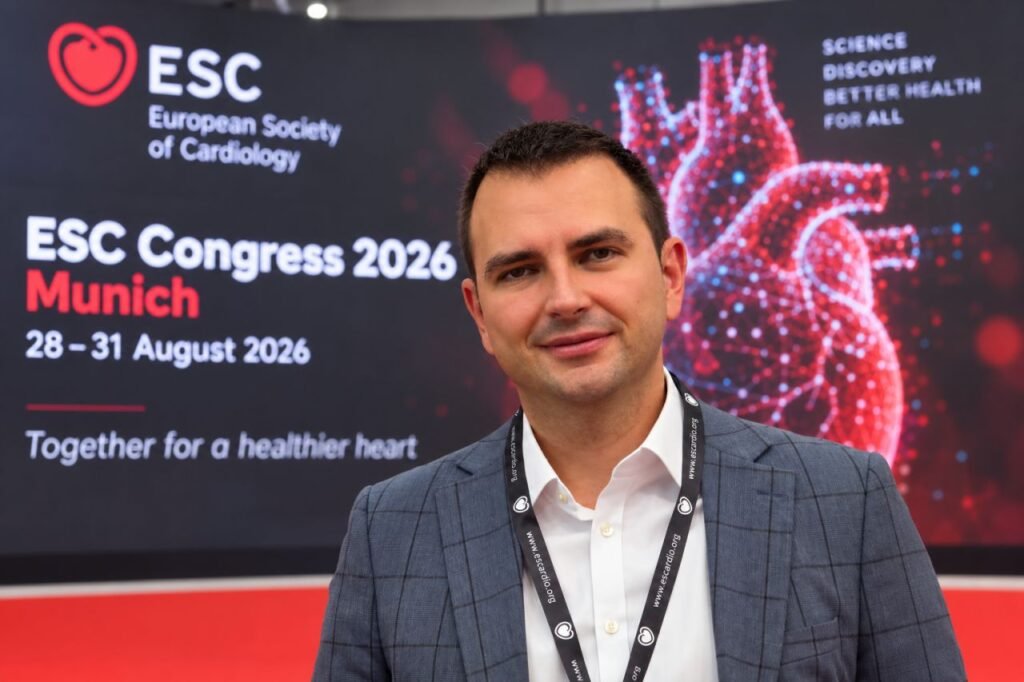
At the annual congress of the European Society of Cardiology (ESC), held in Munich from 28 to 31 August 2026, three new clinical practice guidelines and the Fifth Universal Definition of Myocardial Infarction were presented. These recommendations will directly influence the everyday assessment and treatment of a large number of patients – from people who have no symptoms but are at increased risk, to patients following a myocardial infarction, those with heart failure, and those living with both cardiovascular and kidney disease.

The common thread running through all these documents is clear: do not wait for advanced disease. Identify risk earlier, begin treatment in a timely manner and involve the patient in shared decision-making.

1. Heart Failure: A Simpler Classification and Earlier Treatment

The new ESC Guidelines for the management of heart failure introduce a stage-based approach – from people with risk factors, through preclinical cardiac changes, to symptomatic and advanced heart failure. Prevention therefore receives the same emphasis as the treatment of established disease. High blood pressure, diabetes, obesity, coronary artery disease, kidney disease and cardiac arrhythmias are no longer viewed merely as accompanying conditions, but as opportunities for intervention before breathlessness, swelling and fatigue appear.

Two Groups According to Ejection Fraction

The previous division into heart failure with reduced, mildly reduced and preserved ejection fraction has been simplified. The Guidelines now distinguish heart failure with a left ventricular ejection fraction below 50% from heart failure with an ejection fraction of 50% or higher. The reason is practical: patients in the former ‘intermediate’ group often have similar disease mechanisms and derive similar treatment benefits to patients with reduced cardiac function.

It is important to emphasise that a normal ejection fraction does not exclude heart failure. The diagnosis is made by linking symptoms and signs with the findings of echocardiography, natriuretic peptide testing, electrocardiography and other investigations. Parameters such as diastolic function, left atrial size and myocardial strain can help identify abnormalities at an earlier stage.

New Treatment Terminology

The sometimes imprecise term ‘guideline-directed medical therapy’ has been replaced by three clearer categories: foundational medical therapy, supported by the strongest evidence; additional medical therapy for specific patient groups or symptoms; and guideline-directed interventional therapy, including devices and procedures. This framework is intended to facilitate individualised treatment and allow recommendations to evolve rapidly as new evidence emerges.

Highlighted changes include stronger recommendations for mineralocorticoid receptor antagonists in chronic heart failure irrespective of ejection fraction, as well as the option of semaglutide or tirzepatide in selected patients with preserved ejection fraction and obesity. Recommendations have also been upgraded for certain additional medicines, durable mechanical circulatory support and transcatheter treatment of mitral regurgitation. Treatment selection must nevertheless always take account of the clinical presentation, blood pressure, kidney function, potassium level and coexisting conditions.

What does this mean for the patient? Follow-up appointments are important even when no symptoms are present. Timely blood pressure measurement, laboratory assessment, ECG and echocardiography can identify risk or early changes before advanced heart failure develops.

2. Cardiac Rehabilitation Becomes an Integral Part of Treatment

For the first time, the ESC has published dedicated, comprehensive Guidelines on cardiac rehabilitation. This sends an important message: recovery following a myocardial infarction, cardiac surgery or worsening heart disease does not end at hospital discharge or with the prescription of medication.

A high-quality rehabilitation programme is delivered by a multidisciplinary team and includes individually prescribed exercise, management of risk factors, correct use of medication, nutritional guidance, smoking cessation, psychological support and a plan for returning to everyday activities. The goal is not only improved physical fitness, but also fewer recurrent cardiovascular events, greater confidence, restored independence and a better quality of life.

Cardiac rehabilitation is recommended after myocardial infarction and in heart failure, while patients with atrial fibrillation, congenital heart disease, those who have undergone heart valve replacement, and people treated with potentially cardiotoxic cancer therapies may also benefit. For selected patients, digitally supported home-based programmes with remote monitoring and teleconsultations may be appropriate.

Key message: cardiac rehabilitation is not an optional addition but part of treatment. The programme should be tailored to each person’s medical condition, abilities, goals and life circumstances.

3. The Heart and Kidneys Must Be Assessed Together

The first ESC Guidelines specifically dedicated to the management of cardiovascular disease in patients with chronic kidney disease were developed in collaboration with the European Renal Association. They emphasise that heart disease can accelerate kidney damage, while chronic kidney disease substantially increases the risk of heart failure, myocardial infarction, arrhythmias, stroke and sudden cardiac death.

The practical framework known as STAMP on CKD covers screening, triage and risk assessment, early action to address risk, modification of cardiovascular management, and planning of healthcare services. The most important change for everyday practice is the recommendation that patients with cardiovascular disease should be assessed for kidney disease using both blood and urine tests: estimated glomerular filtration rate (eGFR) and the urine albumin-to-creatinine ratio (UACR). Serum creatinine alone is not always sufficient.

The Guidelines support the early use of proven therapies that protect both the heart and kidneys, including renin-angiotensin system inhibitors, SGLT2 inhibitors and statin-based therapy, when indicated and safe for the individual patient. They also emphasise dose adjustment according to kidney function, electrolyte monitoring, and close collaboration between cardiologists, nephrologists and primary care physicians.

4. A New Definition of Myocardial Infarction: The Cause Matters, Not Only the Number

The Fifth Universal Definition of Myocardial Infarction, a joint document from the ESC, ACC, AHA and World Heart Federation, replaces the previous numerical classification with three clinically more meaningful categories: primary, secondary and procedure-related myocardial infarction.

Primary myocardial infarction results from an acute problem in a coronary artery – most often rupture of an atherosclerotic plaque, but also spontaneous coronary artery dissection, coronary spasm or thrombosis. Secondary myocardial infarction occurs when myocardial oxygen demand exceeds oxygen supply because of another serious condition, such as a very rapid heart rate, markedly high or low blood pressure, anaemia or severe hypoxaemia. A procedure-related myocardial infarction occurs in temporal association with a cardiac procedure or operation.

An elevated troponin level indicates myocardial injury, but does not automatically establish a diagnosis of myocardial infarction. Diagnosis requires an appropriate rise or fall in troponin together with clinical evidence of myocardial ischaemia, such as typical symptoms, ECG changes or relevant imaging findings. The new definition incorporates sex-specific troponin thresholds and encourages the use of imaging to clarify the cause of myocardial injury.

Why does this matter? Identifying the precise cause leads to more precise treatment. Management of a primary myocardial infarction caused by an occluded artery is not the same as treatment of a secondary myocardial infarction triggered by severe anaemia, a rapid heart rhythm or a blood pressure disorder.

What Do All the New Guidelines Have in Common?

Although they address different topics, the new documents share several important messages:

prevention and early detection must begin before severe symptoms develop;

treatment should be tailored to the patient’s phenotype, comorbidities and the true mechanism of disease;

the heart, kidneys, metabolism, physical capacity and mental health should be viewed as interconnected;

rehabilitation, education and self-care deserve the same attention as medication and procedures;

decisions should be made together with the patient, with regular monitoring of treatment effectiveness and safety.

When Should You Not Wait for a Routine Appointment?

Urgent medical assessment is required for new or severe chest pain or pressure, sudden shortness of breath, cold sweating, nausea, loss of consciousness, new weakness on one side of the body, or a sudden deterioration in general condition. Patients with known heart failure should also seek earlier assessment if they experience rapid weight gain, increasing swelling, breathlessness at rest, or the need to sleep propped up on additional pillows.

A Message from Dr Mačkić Practice

The new ESC Guidelines do more than change names and tables – they change the point at which we act. Their greatest benefit is achieved when an individual’s risk is recognised early, the diagnosis is confirmed with appropriate tests and treatment is monitored over time. A cardiology consultation, ECG, contemporary echocardiography, assessment of kidney function and albuminuria, and targeted laboratory monitoring allow the recommendations to be applied to the individual patient rather than to the diagnosis alone.

This article is provided for general information and cannot replace a medical consultation or an individual treatment plan. Medication should not be started, changed or discontinued without consulting a physician.

Official Sources

ESC: 2026 ESC Guidelines for the management of heart failure – https://www.escardio.org/guidelines/clinical-practice-guidelines/all-esc-practice-guidelines/heart-failure/

ESC: 2026 ESC Guidelines on Cardiac Rehabilitation – https://www.escardio.org/guidelines/clinical-practice-guidelines/all-esc-practice-guidelines/cardiac-rehabilitation/

ESC: 2026 ESC Guidelines for cardiovascular disease and chronic kidney disease – https://www.escardio.org/guidelines/clinical-practice-guidelines/all-esc-practice-guidelines/cvd-chronic-kidney-disease/

ESC: Fifth Universal Definition of Myocardial Infarction (2026) – https://www.escardio.org/guidelines/clinical-practice-guidelines/all-esc-practice-guidelines/fifth-universal-definition-myocardial-infarction/

Obesity: More Than an Aesthetic Problem

Naravno — evo prevedene verzije članka na engleskom:


Obesity is a chronic, complex and often progressive condition characterized by excessive accumulation of body fat, particularly visceral fat. Today, obesity is increasingly recognized as a chronic disease, rather than merely a matter of appearance, self-discipline or lifestyle.

The most commonly used measure is the body mass index — BMI, calculated as body weight in kilograms divided by height in meters squared. Overweight is defined as a BMI of 25–29.9 kg/m², while obesity is defined as a BMI ≥30 kg/m². However, BMI is not a perfect marker, as it does not distinguish between fat and muscle mass and does not show fat distribution. Therefore, waist circumference, waist-to-height ratio, blood pressure, glucose levels, lipid profile, liver enzymes and overall cardiometabolic risk are also important.

Why Is Obesity Dangerous?

Obesity significantly increases the risk of many diseases. It is associated with arterial hypertension, type 2 diabetes, dyslipidaemia, fatty liver disease, obstructive sleep apnoea, osteoarthritis, gallbladder disease, infertility and certain types of cancer.

From a cardiology perspective, obesity is one of the most important risk factors. It increases the risk of high blood pressure, coronary artery disease, heart failure, atrial fibrillation and worsening of already existing cardiovascular disease. Obesity is therefore not only a cosmetic issue, but a serious medical condition with major long-term health consequences.

It is important to know that even moderate weight loss can bring significant health benefits. A reduction in body weight of 5–10% may improve blood pressure, blood glucose control, lipid profile, joint symptoms, sleep quality and overall energy levels. The goal of treatment is not only a lower number on the scale, but a reduction in health risk and an improvement in quality of life.

How Should Obesity Be Treated?

The treatment of obesity should be individual, medically supervised and long-term. Short-term diets often provide temporary results, but without sustained lifestyle changes, follow-up and professional support, weight regain is common.

Modern treatment includes several therapeutic levels.

1. Lifestyle Modification

The foundation of obesity treatment is healthy nutrition, increased physical activity, good sleep and behavioural change. There is no single ideal diet for every patient. The most important factor is that the nutrition plan is sustainable, medically appropriate and adapted to the individual.

In everyday practice, the following measures are usually recommended:

  • moderate calorie deficit,
  • increased intake of vegetables, legumes, whole grains and protein,
  • reduced intake of sugar, sweetened beverages, alcohol and ultra-processed foods,
  • regular physical activity,
  • strength exercises to preserve muscle mass,
  • adequate sleep,
  • stress management.

In patients with cardiovascular disease, physical activity should be adapted to heart function, blood pressure, symptoms and current therapy.

2. Medical Assessment Before Treatment

Before starting obesity treatment, it is important to assess whether obesity-related complications are already present. This usually includes blood pressure measurement, ECG, laboratory tests, glucose/HbA1c, lipid profile, liver enzymes, kidney function, thyroid function, assessment of sleep apnoea risk and cardiology evaluation in patients with symptoms or known heart disease.

In some patients, obesity may be associated with medications, endocrine disorders, reduced physical activity due to other diseases, sleep disorders or psychological factors. For this reason, the patient should not be assessed only by body weight, but within the full medical context.

3. Pharmacological Treatment of Obesity

Today, several medications can help in the treatment of obesity. However, they are not a replacement for lifestyle modification. They are used as an addition to nutrition, physical activity and regular medical follow-up.

Pharmacological therapy is usually considered in patients with BMI ≥30 kg/m², or in patients with BMI ≥27 kg/m² who also have obesity-related complications such as hypertension, diabetes, dyslipidaemia, sleep apnoea or cardiovascular disease.

Available therapeutic options include:

Orlistat — a medication that reduces the absorption of fat in the intestine. It may be useful in selected patients, but gastrointestinal side effects are common.

Naltrexone/bupropion — a combination that acts on appetite and reward pathways in the brain. It is used together with diet and physical activity in adults with obesity or overweight with associated complications. It is not suitable for all patients and requires careful medical assessment, particularly in patients with high blood pressure, neurological or psychiatric conditions.

Liraglutide  — a GLP-1 receptor agonist administered once daily. It helps reduce appetite, increases satiety and supports weight loss.

Semaglutide — a GLP-1 receptor agonist administered once weekly. It is one of the most effective pharmacological options for obesity treatment. In addition to weight reduction, semaglutide has also shown cardiovascular benefit in patients with overweight or obesity and established cardiovascular disease without diabetes.

Tirzepatide — a medication acting through GIP and GLP-1 receptors, administered once weekly. Clinical studies have shown significant weight reduction in patients with obesity or overweight with associated comorbidities.

These medications may have side effects, most commonly nausea, vomiting, constipation, diarrhoea, bloating and reduced appetite. Potential gallbladder problems, pancreatitis, dehydration, loss of muscle mass and interactions with other medications should also be considered.

Treatment should never be started independently, especially not with products obtained from unverified internet sources.

4. Endoscopic and Surgical Treatment Options

In patients with more severe obesity or significant obesity-related complications, metabolic or bariatric surgery may be considered. The most common procedures include sleeve gastrectomy and gastric bypass.

Bariatric surgery is not an “easy solution”, but a serious therapeutic option that requires careful assessment, preparation and long-term follow-up. After surgery, regular monitoring of nutritional status, vitamins, minerals, body composition and associated diseases is necessary.

Conclusion

Obesity is a serious medical condition that increases the risk of cardiovascular disease, diabetes, stroke, sleep apnoea, joint disease and certain cancers. The good news is that obesity can be treated.

Today, there are more therapeutic options than ever before: structured lifestyle modification, modern medications, endoscopic procedures and surgical treatment.

The best results are achieved when treatment is individualized, medically supervised and based on realistic goals with long-term follow-up. The aim is not only weight loss, but also reduction of health risk, better functional capacity, improved quality of life and protection of the heart.

Ordinacija Dr Mačkić provides an individualized approach to the assessment of cardiometabolic risk, with a special focus on prevention, cardiology evaluation and modern management of patients with obesity and associated risk factors. In our private praxis patients can also get help from nutrition Almir Azabagic MD.


References

Busetto, L., Dicker, D., Frühbeck, G. et al. (2024) ‘A new framework for the diagnosis, staging and management of obesity in adults’, Nature Medicine, 30, pp. 2395–2399. doi: 10.1038/s41591-024-03095-3.

Eisenberg, D., Shikora, S.A., Aarts, E. et al. (2022) ‘2022 American Society for Metabolic and Bariatric Surgery and International Federation for the Surgery of Obesity and Metabolic Disorders: Indications for metabolic and bariatric surgery’, Surgery for Obesity and Related Diseases, 18(12), pp. 1345–1356. doi: 10.1016/j.soard.2022.08.013.

European Medicines Agency (n.d.) Mounjaro: European public assessment report. Amsterdam: European Medicines Agency. Accessed: 9 July 2026.

European Medicines Agency (n.d.) Mysimba: European public assessment report. Amsterdam: European Medicines Agency. Accessed: 9 July 2026.

European Medicines Agency (n.d.) Saxenda: European public assessment report. Amsterdam: European Medicines Agency. Accessed: 9 July 2026.

European Medicines Agency (n.d.) Wegovy: European public assessment report. Amsterdam: European Medicines Agency. Accessed: 9 July 2026.

European Medicines Agency (n.d.) Xenical: European public assessment report. Amsterdam: European Medicines Agency. Accessed: 9 July 2026.

Koskinas, K.C., Van Craenenbroeck, E.M., Antoniades, C. et al. (2024) ‘Obesity and cardiovascular disease: an ESC clinical consensus statement’, European Heart Journal, 45(38), pp. 4063–4098. doi: 10.1093/eurheartj/ehae508.

Lincoff, A.M. et al. (2023) ‘Semaglutide and cardiovascular outcomes in obesity without diabetes’, The New England Journal of Medicine, 389(24), pp. 2221–2232. doi: 10.1056/NEJMoa2307563.

National Institute for Health and Care Excellence (2026) Overweight and obesity management. NICE guideline NG246. London: NICE. Accessed: 9 July 2026.

World Health Organization (2025) Obesity and overweight. Geneva: World Health Organization. Accessed: 9 July 2026.

Dr Milan Gluhović and Prof. Thomas Binder Featured on BHTV “Jutro za sve”: The Future of Cardiology Lies in Knowledge, Technology and Early Detection of Heart Disease

On the occasion of the Echocardiography Masterclass with Prof. Thomas Binder held in Sarajevo, Dr Milan Gluhović, MD, MA, FESC, FHFA, Consultant Cardiologist, and Prof. Thomas Binder, one of Europe’s leading experts in echocardiography and cardiovascular imaging, appeared as guests on BHTV’s morning program “Jutro za sve.”

During the interview, they discussed how modern cardiology is rapidly evolving through the development of advanced imaging technologies, artificial intelligence and a more personalized approach to patient care.

Echocardiography – much more than an image

Dr Gluhović emphasized that modern echocardiography today represents much more than a traditional ultrasound examination of the heart.

With advanced techniques such as myocardial deformation imaging (strain analysis), 3D echocardiography and AI-supported solutions, physicians can evaluate cardiac function more precisely, detect abnormalities earlier and make better clinical decisions.

One of the key messages of contemporary cardiovascular imaging is:

“The goal is not only to see what the heart looks like, but to understand how the heart functions.”

Knowledge and education as the foundation of better medicine

Prof. Thomas Binder, an internationally recognized echocardiography expert and founder of the educational platform 123sonography, highlighted the importance of continuous medical education and the proper implementation of modern technologies into clinical practice.

Even the most advanced ultrasound systems and artificial intelligence tools can support physicians, but the quality of diagnosis still depends on medical knowledge, experience and correct interpretation of findings.

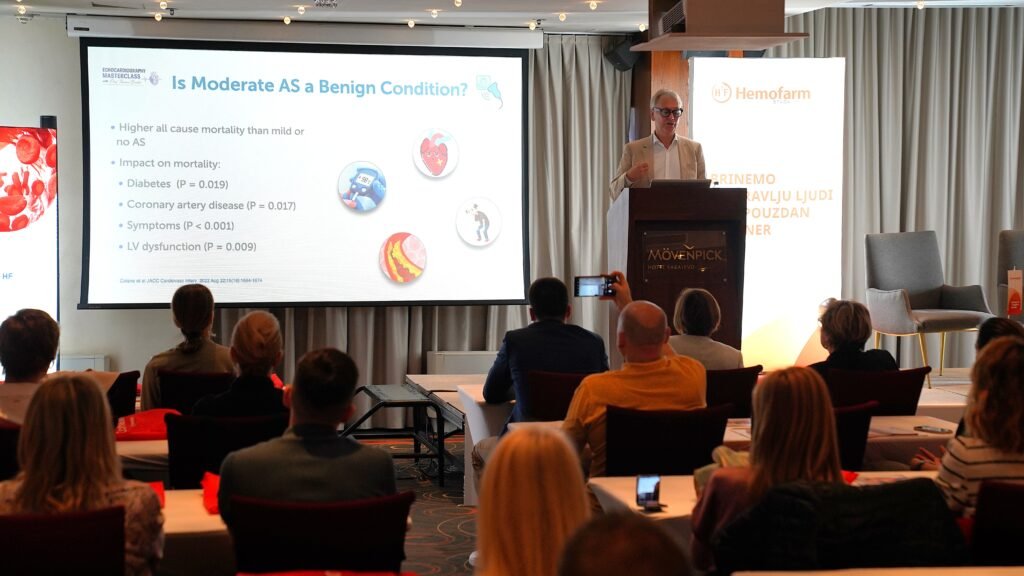
This was exactly the vision behind the Echocardiography Masterclass Sarajevo 2026 — an educational event created to improve practical echocardiography skills and bring advanced cardiovascular imaging closer to everyday clinical practice.

Sarajevo as a center for advanced cardiovascular imaging education

The Masterclass introduced a modern educational approach by combining expert lectures, real clinical cases and hands-on training using state-of-the-art ultrasound technologies.

Special focus was placed on some of the most important challenges in contemporary cardiology:

  • heart failure
  • valvular heart disease
  • cardiomyopathies
  • early detection of myocardial dysfunction
  • implementation of artificial intelligence in cardiovascular imaging

Internistička ordinacija Dr Mačkić – bringing European standards of cardiovascular care closer to patients

The BHTV appearance and the organization of this international educational event represent a continuation of the mission of Internistička ordinacija Dr Mačkić:

to provide patients in Bosnia and Herzegovina with access to modern cardiovascular diagnostics based on European guidelines, advanced technology and continuous professional development.

Modern medicine begins with knowledge.

The best results are achieved when clinical expertise, innovation and technology come together with one common goal:

better care for every patient.

Echocardiography Masterclass with Prof. Thomas Binder – Setting New Standards in Cardiovascular Imaging Education in Bosnia and Herzegovina

Sarajevo, June 6th, 2026

The Echocardiography Masterclass with Prof. Thomas Binder was successfully held in Sarajevo, bringing together physicians dedicated to advancing their knowledge and skills in modern echocardiography and cardiovascular imaging.

This unique educational event was designed with one clear goal:

less theory – more clinical mastery.

Through interactive lectures, real patient cases and intensive hands-on training, participants had the opportunity to learn advanced echocardiographic concepts directly from one of Europe’s leading experts in cardiovascular imaging.

It was a great honor to welcome Prof. Thomas Binder, internationally recognized cardiologist, echocardiography expert, educator and founder of 123sonography, whose educational work has inspired and trained thousands of physicians worldwide.

Bringing advanced echocardiography closer to everyday clinical practice

Modern echocardiography is no longer only about measuring cardiac dimensions or estimating ejection fraction.

Today, it represents a comprehensive clinical decision-making tool that helps physicians better understand cardiac function, detect disease earlier and provide more personalized patient care.

During the Masterclass, participants explored key areas of contemporary cardiovascular imaging:

  • Heart failure assessment beyond ejection fraction
  • Valvular heart disease evaluation
  • Cardiomyopathies
  • Myocardial deformation imaging (strain)
  • 3D echocardiography
  • Artificial intelligence in cardiovascular imaging
  • Integration of imaging findings into clinical decision-making

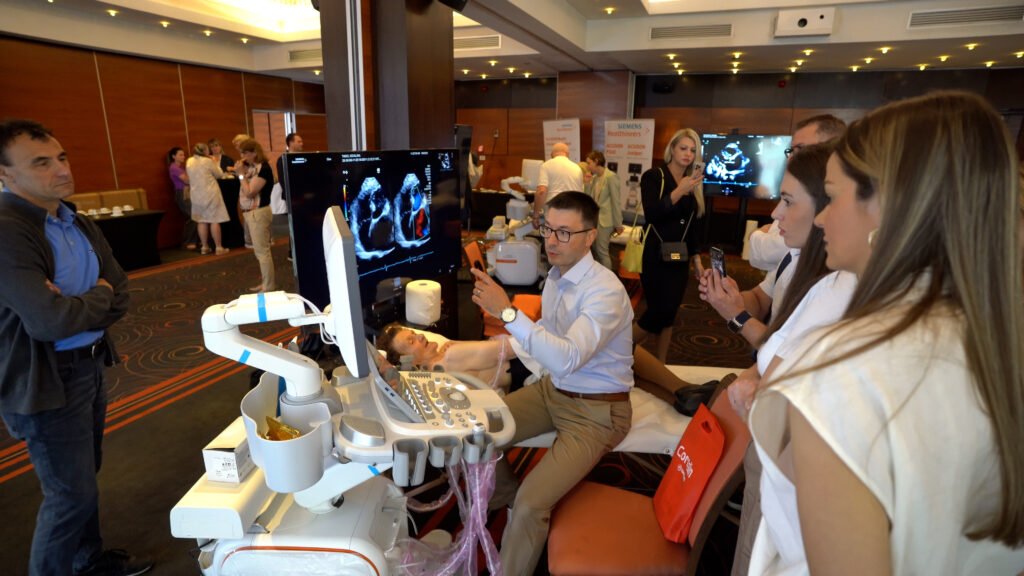
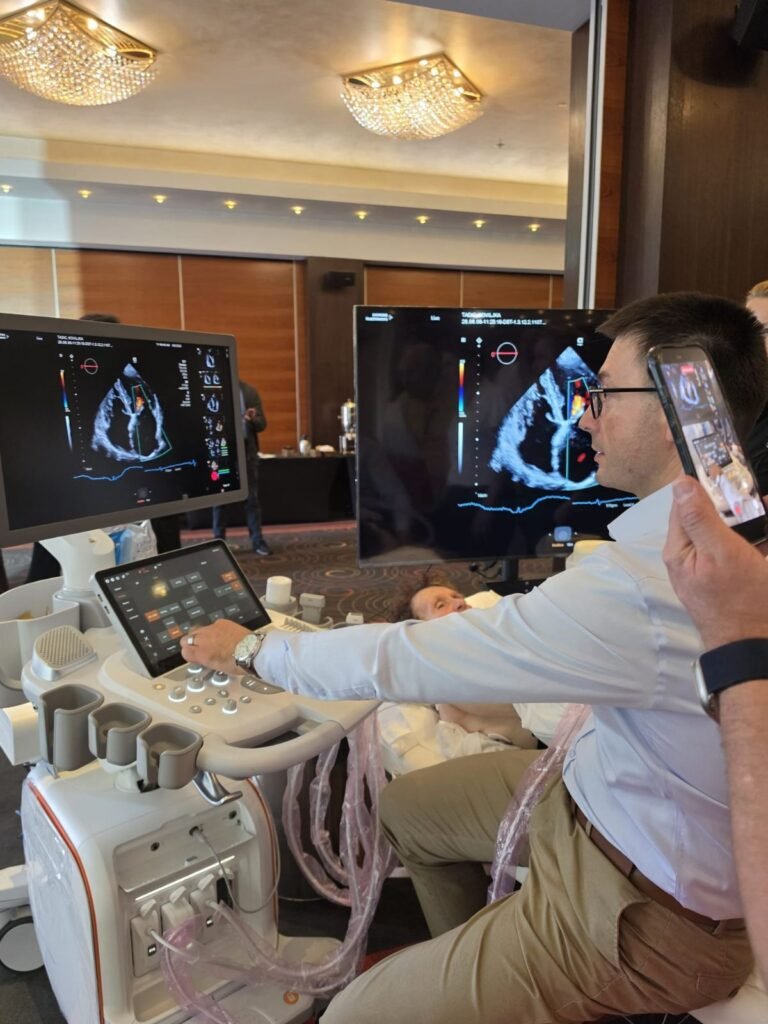
The hands-on sessions provided a unique opportunity to work with advanced ultrasound technologies, including modern platforms with 3D imaging capabilities, automated measurements and AI-supported solutions.

Education. Innovation. Collaboration.

High-quality cardiovascular care begins with knowledge.

Standardization, continuous education and implementation of advanced technologies are essential steps toward improving diagnostic accuracy and patient outcomes.

The Echocardiography Masterclass Sarajevo represents an important milestone in the development of advanced cardiovascular imaging education in Bosnia and Herzegovina.

Internistička ordinacija Dr Mačkić – committed to excellence in cardiovascular medicine

At Internistička ordinacija Dr Mačkić, our mission is to bring together:

  • clinical expertise
  • evidence-based medicine
  • continuous professional education
  • state-of-the-art cardiovascular technology

Our goal is not only to answer the question:

“What does the heart look like?”

but more importantly:

“How does the heart function, and how can we prevent disease progression?”

We would like to express our sincere gratitude to Prof. Thomas Binder, all faculty members, participants and partners who contributed to making this Masterclass a success.

Together, we continue building a culture of knowledge, innovation and excellence in cardiovascular medicine.

#EchocardiographyMasterclass #ThomasBinder #Echocardiography #CardiovascularImaging #HeartFailure #ValvularHeartDisease #StrainImaging #3DEchocardiography #ArtificialIntelligence #POCUS #FOCUS #UltrasoundEducation #MedicalEducation
#ContinuousMedicalEducation #Cardiology #123sonography #SiemensHealthineers #ACUSONOrigin #InnovationInMedicine #FutureOfCardiology #Sarajevo #BosniaAndHerzegovina #DrMackic #MilanGluhovic

POCUS Workshop in Grude: Practical Training for Primary Care Physicians

On Saturday, May 9, 2026, a professional workshop on POCUS ultrasound was held in Grude, organized by the Primary Health Care Center Grude, with the support of Bromabel, the official representative of Siemens Healthineers in Bosnia and Herzegovina.

The workshop was led by Mr Dr Milan Gluhović, specialist in internal medicine and cardiology, who provided participants with a practical and interactive introduction to the application of ultrasound at the point of care.

POCUS Ultrasound in Modern Clinical Practice

POCUS ultrasound, or Point-of-Care Ultrasound, is becoming an increasingly important part of daily clinical practice. It is especially valuable in primary care, emergency departments and outpatient settings, where fast and accurate assessment can support immediate clinical decision-making.

During the workshop, special emphasis was placed on the practical use of ultrasound in evaluating common clinical conditions such as dyspnea, chest pain, suspected heart failure, pleural effusion, free abdominal fluid and basic cardiac function.

Practical Training for Physicians from Herzegovina

Participants included physicians from primary care centers in the West Herzegovina Canton and the Herzegovina-Neretva Canton, giving the workshop an important regional dimension.

The training was specifically tailored for physicians working in primary health care, where rapid clinical assessment is crucial for proper patient management, timely referral and safer decision-making.

Hands-On Training with Siemens Ultrasound Technology

Thanks to the support of Bromabel, participants had the opportunity to work with advanced Siemens ultrasound systems and gain hands-on experience in realistic clinical scenarios.

The POCUS workshop was designed as a practical course with small-group training, live demonstrations and active participant involvement. This approach allowed physicians to directly practice ultrasound techniques relevant to everyday clinical work.

Key Topics Covered During the POCUS Workshop

The workshop focused on the most important POCUS applications for primary care and emergency assessment:

  • FOCUS cardiac ultrasound – basic assessment of cardiac function, pericardial effusion and right ventricular size
  • Lung ultrasound – identification of A-lines, B-lines, pleural effusion and ultrasound evaluation of dyspnea
  • FAST protocol – rapid detection of free abdominal fluid in emergency situations
  • POCUS in primary care – when and how ultrasound can support faster clinical decisions

Why POCUS Education Is Important in Primary Care

POCUS education is particularly valuable for family physicians, internists and emergency care providers. It can support faster triage, improve clinical assessment and help physicians make better decisions regarding further diagnostics, treatment and patient referral.

Introducing practical ultrasound training in primary care settings represents an important step toward modernizing healthcare delivery and strengthening diagnostic capabilities at the first point of patient contact.

Primary Health Care Center Grude as an Example of Best Practice

By organizing this workshop, the Primary Health Care Center Grude demonstrated a strong commitment to continuous medical education, the adoption of modern diagnostic methods and the improvement of patient care quality.

The POCUS workshop in Grude is a successful example of collaboration between a healthcare institution, a clinical expert and a company supporting the advancement of medical technology in Bosnia and Herzegovina.

Continuous Medical Education for Better Patient Care

The workshop held on May 9, 2026, in Grude confirmed the strong interest among physicians for practical and clinically applicable education programs.

Through this type of training, physicians gain valuable skills that can improve diagnostic accuracy, patient safety and the overall efficiency of the healthcare system.

Conclusion

The POCUS workshop in Grude provided physicians with practical knowledge in cardiac, lung and emergency ultrasound assessment. By bringing modern ultrasound education closer to primary care physicians, this training contributed to better clinical practice and improved patient care in the region.