

Proper preparation for an examination at an internal medicine and cardiology clinic is extremely important in order for the examination to be performed thoroughly, safely, and with reliable results. Below are the basic recommendations for preparing for the most common diagnostic procedures performed in cardiology practice.
General recommendations before coming for an examination
- Bring all medical documentation you have, including previous findings, discharge letters, CDs with imaging studies, and a list of your medications.
- Prepare an accurate list of the medications you take, including doses and the time of administration.
- Arrive 10–15 minutes early to avoid rushing and stress.
- If you have acute symptoms, such as severe chest pain, shortness of breath, or dizziness, be sure to inform the medical staff immediately.
Preparation for abdominal ultrasound
Abdominal ultrasound is a painless and non-invasive method, but the quality of the examination depends significantly on proper preparation.
Recommendations
- Come to the examination on an empty stomach, without food or drink for at least 6–8 hours before the examination.
- You may take a small sip of water if you need to take your regular medication, unless advised otherwise.
- Avoid carbonated drinks, milk, and coffee the day before the examination.
- It is recommended to avoid heavy and fatty foods the day before the examination.
- If you have problems with bloating, you may take anti-gas preparations, such as simethicone, according to the advice of your doctor or pharmacist.
Preparation for dobutamine stress echocardiography
Dobutamine stress echocardiography is a specialized test used to assess ischemic heart disease and the function of the heart muscle.
Important: Beta-blockers should be discontinued 48 hours (2 days) before the examination, unless your cardiologist specifically tells you otherwise.
Examples of beta-blockers: metoprolol, bisoprolol, nebivolol, atenolol, carvedilol.
Additional instructions
- Take all other medication strictly according to your doctor’s instructions.
- On the day of the examination, come fasting or after a light meal, according to the clinic’s instructions.
- Avoid coffee, energy drinks, and smoking for at least 12 hours before the examination.
Be sure to inform your doctor if you have
- asthma or chronic lung disease
- heart rhythm disorders
- previous allergic reactions to medications
The examination is performed under constant supervision by a doctor and medical staff, with continuous ECG and blood pressure monitoring.
Preparation for transesophageal echocardiography (TEE)
Transesophageal echocardiography provides a detailed view of heart structures through the esophagus.
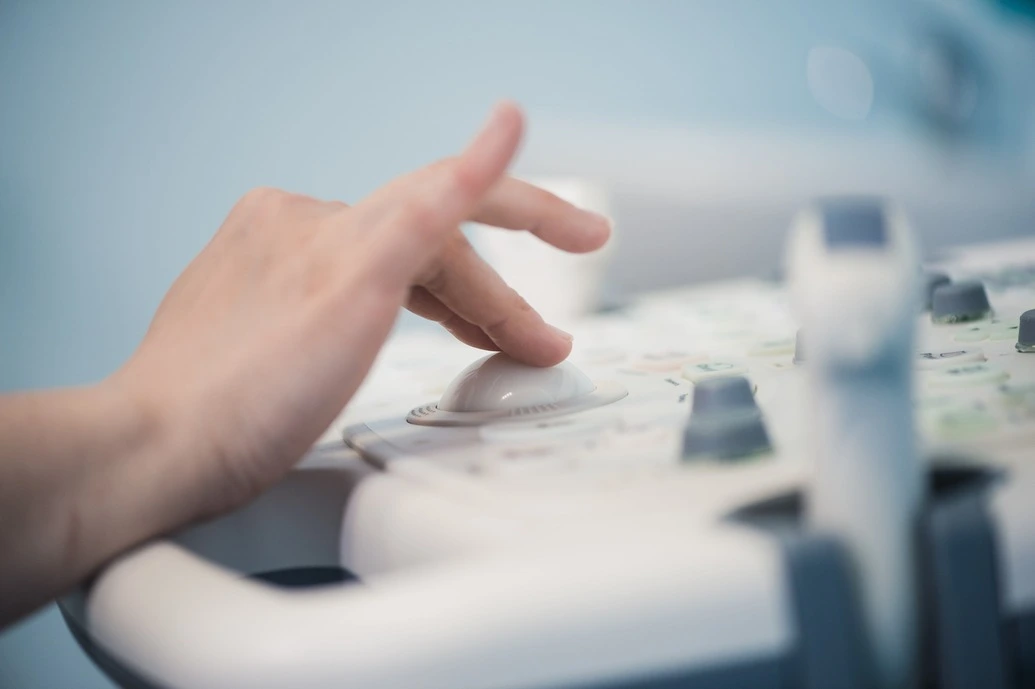
Preparation includes
- You must come fasting for at least 6 hours before the examination, with no food or drink.
- Take your regular medication only if previously permitted, with a minimal amount of water.
- Remove dental prostheses before the examination.
Inform your doctor if you have
- diseases of the esophagus or stomach
- previous surgery of the upper digestive tract
- difficulty swallowing
After the examination
- You must not eat or drink for at least 1 hour, until the swallowing reflex returns.
- It is recommended that you do not drive or make important decisions for several hours after the examination, especially if sedation was used.
- Ideally, you should come accompanied by another person.
Preparation for exercise stress testing
Exercise stress testing, performed on a treadmill or bicycle, assesses the heart’s response to physical exertion.
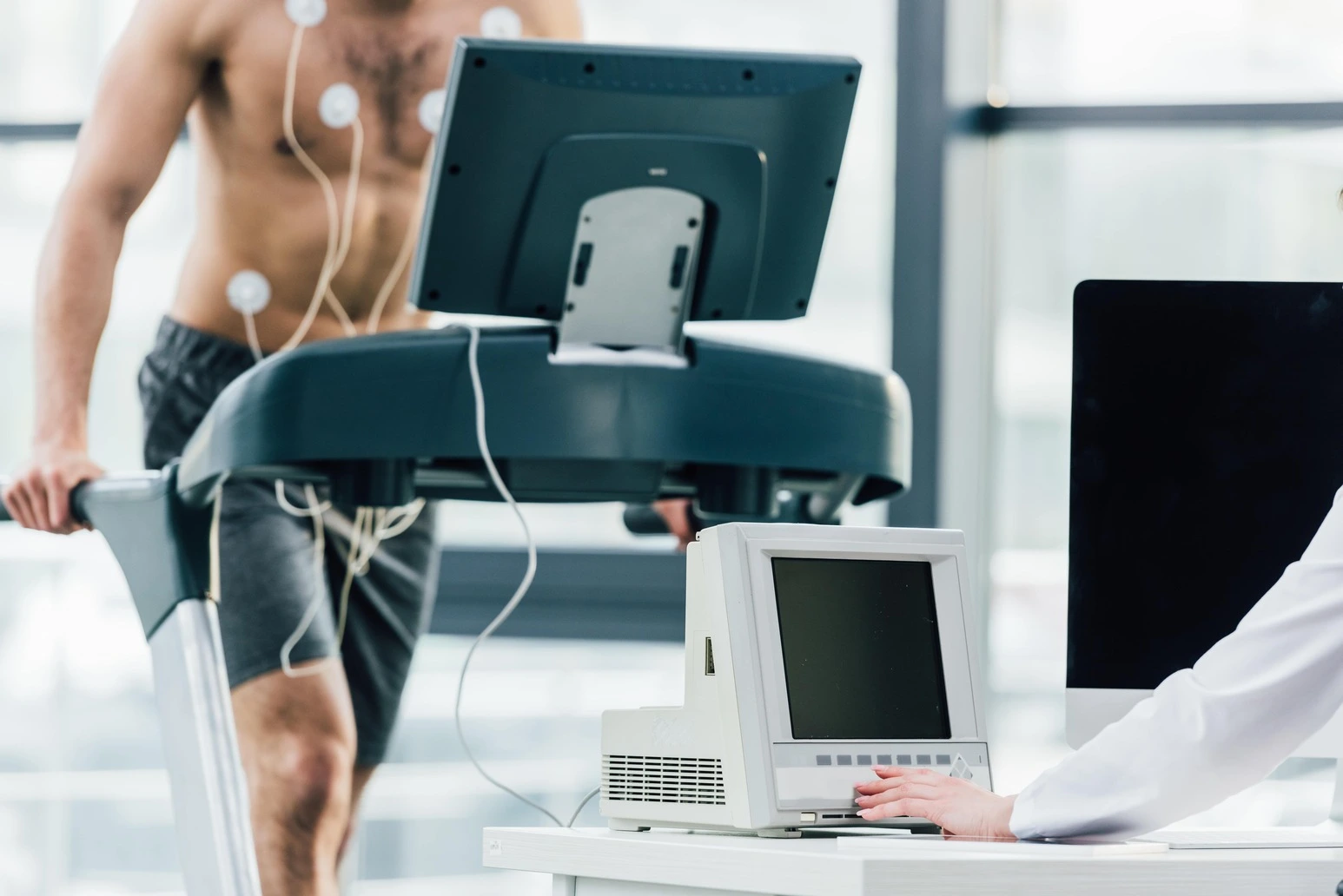
Before the examination
- Wear comfortable clothing and sports shoes.
- Do not eat large meals 2–3 hours before the test.
- Avoid coffee, cigarettes, and energy drinks for at least 12 hours before the test.
- Take your medication according to your cardiologist’s instructions, as some medications are sometimes temporarily discontinued.
Be sure to inform the staff if you have
- chest pain
- dizziness
- an acute infection or fever
The test is stopped immediately if symptoms occur or if the doctor determines that it is necessary.
Final note
Proper preparation for diagnostic examinations enables:
- a more accurate diagnosis
- greater patient safety
- shorter examination duration
- avoidance of unnecessary repetition of procedures
If you have any questions or concerns, feel free to contact the clinic staff before coming for your examination. Our goal is for the examination to be performed safely, professionally, and with maximum care for your health.